

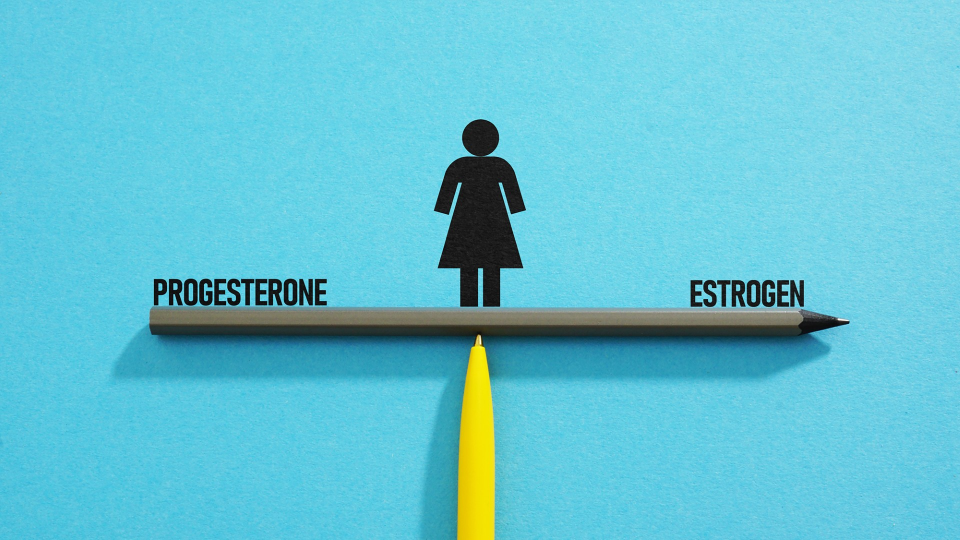
Estradiol (a type of estrogen) and progesterone are hormones that are usually prescribed separately, and the dose of each can vary between people
Progesterone, estradiol and testosterone are three important hormones for women – when levels are fluctuating or low this can cause symptoms that can affect your whole body as well as health risks. HRT replaces the missing hormones and healthcare professionals prescribe each hormone in accordance with your symptoms as well as to optimise your future health. There is no one standard dose that suits everyone.
Some women who are prescribed transdermal estradiol (through a patch, gel or spray) don’t absorb the hormone as well through their skin as other women. In these cases, different delivery methods can be explored – for example switching from a patch to a gel – and/or higher doses of estradiol can be prescribed. These higher doses are prescribed to achieve adequate absorption of estradiol for symptom relief, they are not prescribed for larger amounts of estradiol to enter your body.
This means some women using a higher dose of transdermal estradiol will often have less estradiol internally in their body compared to other women who are prescribed a lower dose of estradiol but absorb it really well through their skin.
Are progesterone and estradiol doses linked?
One function of progesterone in HRT is to keep the lining of your womb thin and to ensure unexpected bleeding does not occur when you are taking estradiol. Progesterone also works throughout your body and can help with symptoms as well as with future health.
Some healthcare professionals and some guidelines state that progesterone dose should automatically increase when estradiol dose increases. For instance, if a woman if prescribed 100mcg estradiol or more, they state that a higher dose of progesterone should also be prescribed. However, there is no good quality evidence to support this.
The dose of estradiol is increased due to poor absorption through the skin of the estradiol so it makes no sense to automatically increase the dose of progesterone.
Some women report side effects when they increase their dose of progesterone beyond the dose that was originally relieving their symptoms.
The recommendation to increase the progesterone dose in proportion to estradiol dose is based on opinion, rather than evidence, and this has caused confusion.
NICE menopause guidance states that managing and treating menopause should be tailored to the individual [1].
What does the evidence say?
Up to 40% of menopausal women taking HRT experience unscheduled bleeding, and current guidelines focus on adjusting hormone doses to manage this. However, research has shown there is no link between hormone doses and womb lining thickness (a potential indicator of bleeding risk) [2].
RELATED: Body identical hormone dose is not linked to womb lining thickness
A study of 235 women using both standard and off-label doses of transdermal estradiol and different progesterone doses, found that their dose of estradiol that was not associated with their womb lining thickness. There was no association with dose of progesterone and womb thickness either.
Mr Osama Naji, consultant gynaecologist at Guy’s and St Thomas’ NHS Foundation Trust, contributed to this study. He says: ‘This important study provides reassuring evidence that the use of body identical menopausal hormone replacement therapy does not lead to concerning changes in endometrial thickness or increase the risk of significant consequences.’
What else do I need to know?
When higher doses of estradiol are prescribed in order to alleviate symptoms, guidelines state that patients must be made aware that these doses are off-label. If a healthcare professional prescribes a higher dose of progesterone (for example 200mg as a continuous preparation and 300mg as a sequential preparation), this is also an off-label dose, and patients should be made aware of this.
If you are prescribed higher dose estradiol because you have difficulty absorbing it and your healthcare professional automatically increases your progesterone dose, you can ask their reasons for doing so. Some women may respond well to higher doses of progesterone but the decision to increase dosage should be based on your individual need.
Every woman deserves balanced information about the benefits and risks of hormones and to have doses individually prescribed to alleviate their symptoms and improve their future health.