Menu

My Mission
Articles
Podcast
Events
Workplace Education
Clinician Education
Newson Clinics
Hormones Unlocked
Books
Research
Media
Contact

Balance App
Track symptoms, get insights and feel more in control.


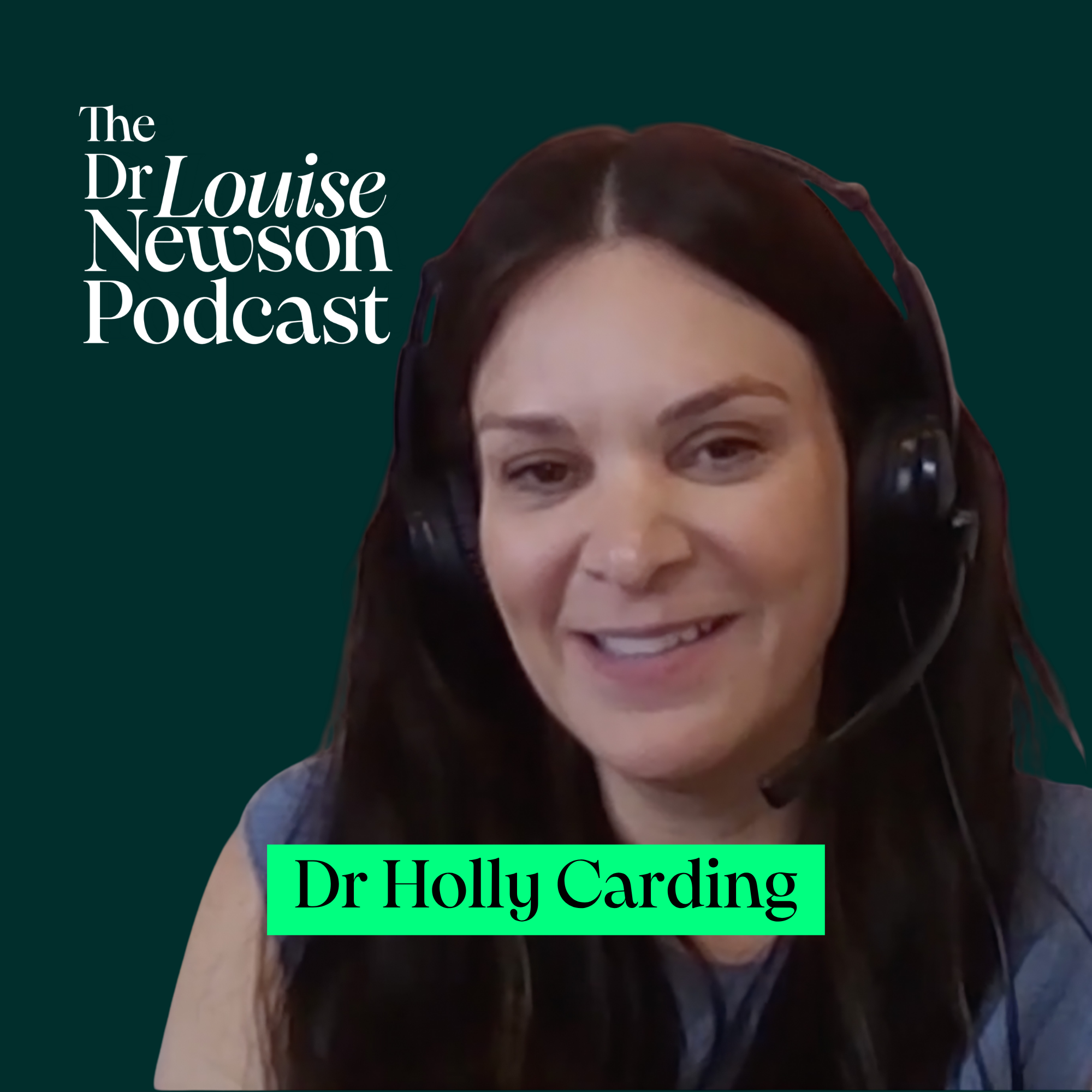
In this episode, Dr Louise Newson is joined by consultant gynaecologist Mr Osama Najifor a reassuring and practical conversation about one of the most common concerns women have when starting HR, bleeding.
Together,they explain why bleeding can happen, when it is a normal response to changinghormones and when it may need further investigation. They also discuss the common causes of unscheduled bleeding, the role of scans and checks and whywomen should never be left feeling frightened or dismissed.
Louise and Osama also tackle the fear around endometrial cancer, the importance of lookingat the whole clinical picture and why women deserve clear information and individualised care rather than unnecessary alarm.
We hope you love thepodcast! If you enjoyed today's episode, don't forget to leave a 5-star ratingon your podcast platform.
LET'S CONNECT
Subscribe here 👉 https://www.youtube.com/@menopause_doctor
Website 👉 https://www.drlouisenewson.co.uk/
Instagram 👉 /@drlouisenewsonpodcast
LinkedIn 👉 / https://www.linkedin.com/in/drlouisenewson/
TikTok 👉 / https://www.tiktok.com/@drlouisenewson
Spotify 👉 https://open.spotify.com/show/7dCctfyI9bODGDaFnjfKhg
LEARN MORE
Download my balance app 👉
https://www.balance-menopause.com/balance-app/
Gettickets for my new theatre tour, Breaking the Cycle 👉
https://www.nlp-ltd.com/dr-louise-newson-breaking-the-cycle/
Preorder my new book 👉
https://bio.to/ThePowerofHormones
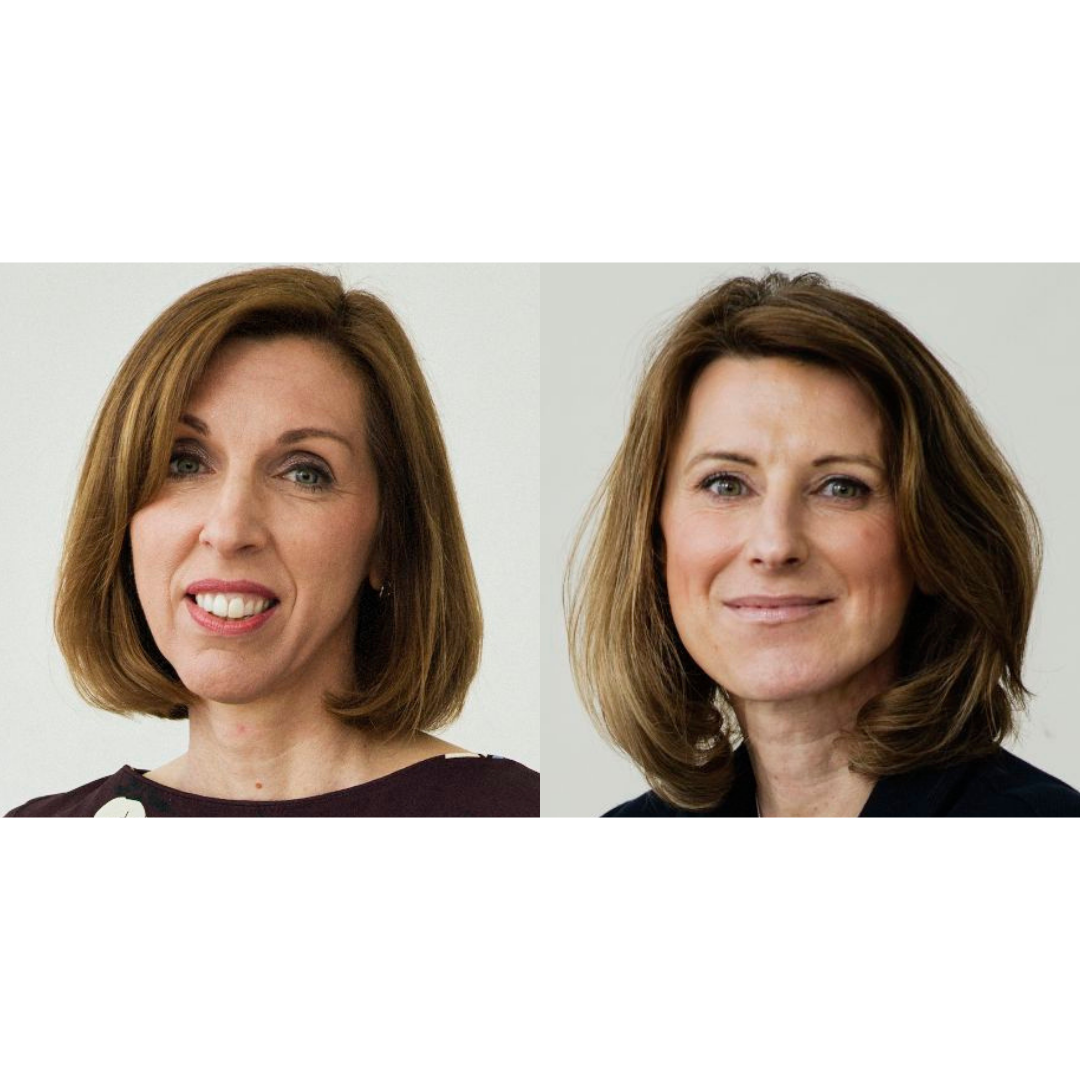
Dr Louise Newson: [01:00:00] Today on my podcast, I've got Mr Osama Naji. He is a gynaecologist in London and also a great friend. We talk a lot about bleeding on and off HRT because it's one of the most common side effects of taking hormones. It's one that causes a lot of confusion and sometimes concern. So we have a very reassuring chat about this topic.
Dr Louise Newson: [01:00:23] So Osama, you're here in real life. I've done two podcasts with you before, but remote. So we're in Jack's lovely studio. You're feeling relaxed.
Osama Naji: [01:00:33] Very nice place, in fact. Yes, thank you very much for having me.
Dr Louise Newson: [01:00:36] No, well, you're one of my favourite gynaecologists, actually, and not just mine, but lots of women and lots of my colleagues as well. So you're in the hot seat. So I think I can just ask you a few questions because I am not a gynecologist, which is fine. I don't have anything against gynecologists.
Osama Naji: [01:00:54] Very good gynaecology knowledge, I have to say.
Dr Louise Newson: [01:00:57] But it's interesting, isn't it because I specialise in women's hormones. They're made in the ovaries, but they're also made in adrenal glands and they're made the brain. But somehow a lot of gynaecologists, not you I hasten to add, feel that the menopause and hormone problems has to belong to gynaecologists. Whereas in my mind, gynaecologists like yourself, specialise in the womb, the ovaries, the reproductive organs, if you like, or the gynaecological organs. Because if there's a disease, that's what you treat. Whereas you don't want to be treating a hormonal issue that where hormones are all around our body. So it's a weird concept really, isn't it?
Osama Naji: [01:01:38] Absolutely, absolutely. Quite often, when we see patients, whenever the consultation started to divert towards HRT, I always explain HRT is not only about prescribing medications, it's a complete different scope of consultation. It requires having an extremely detailed history, discuss lifestyle, discuss sleep, diet, exercise, sports, and then HRT comes as an additional. So it does require a more detailed consultation to give it justice.
Dr Louise Newson: [01:02:14] Yeah and so, I mean, I'm very comfortable, obviously, prescribing hormones, assessing the person, looking at all the organs, because I've been trained in a very general way, as you know, but one of the commonest side effects of HRT is bleeding. And I know myself, when I started HRT 10 years ago, obviously I knew it was bleeding, but I got really heavy bleeding quite quickly. And I thought, gosh, no wonder women are scared. My periods have always been quite light, they would sort of come and go. They weren't really a big deal, other than when I was a teenager, I suppose. But when they were very heavy, I was quite worried, but I knew that it's a common side effect, especially when you start taking hormones. So I just waited a few weeks and after about eight weeks, it settled down and it was fine. But it is common and it's one of the commonest reasons that we refer patients to you for bleeding. And there are lots of reasons for bleeding and I wouldn't mind just spending a bit of time just sort of educating people about bleeding, not just on HRT but in general because, you know, it's quite alarming if you're not expecting bleeding and there are more serious causes and less serious causes. Sometimes we can try and tease it out from a history and often we have to think about investigations.
Osama Naji: [01:03:27] Indeed, yes.
Dr Louise Newson: [01:03:28] So what are the commonest causes of bleeding in a woman just generally?
Osama Naji: [01:03:33] Quite often most of the times the causes are reassuring and non-concerning. It's a functional transient or longer term hormonal imbalance and sometimes can be triggered by pathology and that's why to stress the fact that you said the extraction of the knowledge and the information from the history is crucial on this matter. But when it comes to HRT, we try to mimic what happens in nature and often we get it right, often the case of this scenario, it requires a little bit of more reassurance to the patients to tell them it is expected or not uncommon to have a little of unscheduled bleeding at the start. It's often the body trying to adjust accordingly to these extra hormones and hopefully most of the times it does the job itself without unnecessary. So the reassurance within at least three to six months of starting it is not uncommon to expect some form of bleeding. But in the scenario of starting to become worrying in the form of the menstrual flow or in the form of a pattern, if there is any associated other symptoms, then it may warrant a little bit a closer look to see if there are other causes that can be minimised or mitigated during the starting process at least.
Dr Louise Newson: [01:04:49] Yes, and it's really interesting because often it's asking the right questions. You know, as you know, is a doctor and I've spoken about it before in this podcast. It's asking the questions and the patients often know. So a lot of women who talked to me have had some bleeding. There's usually, they know there's a reason behind it. So some women, for example, are perimenopausal when they start HRT. So they're still having their own hormones as well. And then some women say to me, I had some bleeding that's irregular, but around the time of bleeding, I've also had some breast tenderness and bloating. And I think, well, that's probably more hormonal, only lasted for two or three days and now they haven't had it for weeks. And that's very unlikely to be anything serious, isn't it?
Osama Naji: [01:05:32] Unlikely at all. Look, also in the form of the history, how important is the history is true to engage the woman herself, and she will express her concerns about this complaint in a little bit more detail. And in fact, also stressing the fact whether are there any other risk factors that could probably invite a little bit of a closer look. Very importantly as well, whether the body weight is optimised or not, smoking, alcohol, diabetes, hypertension, previous pregnancy or not. Previous history of common gynaecological pathologies, fibroids, adenomyosis, endometriosis, a little bit of a detailed gynaecological history.
Dr Louise Newson: [01:06:16] That's really important as well, looking at risk factors, because, you know, we've only got limited resources, NHS and privately, we don't want to be over-investigating people, but we don t want to missing things as well and obviously everyone who has bleeding, back of their mind, could it be a cancer. And that's the big thing that people worry about. But actually the risk is incredibly low. Endometrial cancer isn't a really common cancer, but it is a very treatable cancer if it's picked up early, isn't it?
Osama Naji: [01:06:47] Curable in fact. Absolutely, on this point, Louise, look, again, HRT, I have to say, has been treated unfairly on the media as a causing factor for endometrial cancer. This type of cancer comes with other common risk factors, like you mentioned, categorically higher body weight or higher BMI, the pregnancy status, diabetes, hypertension. In the absence of these factors, the women, they deserve some reassurance on this front in particular for sure.
Dr Louise Newson: [01:07:14] Absolutely. If people are on continuous, so that's a progesterone every day with the estrogen, especially estradial, then their risk of cancer of the lining of the womb is less than if they didn't have HRT. And a lot of people, I think even a lot of gynaecologists and doctors don't realise that as well. But a small period-like bleed that lasts a couple of days and doesn't having again is very unlikely to be a cancer, isn't it?
Osama Naji: [01:07:40] That's, that's, fairly true. I always also explain to patients, please listen to your feelings, to your, always when you know something is not right, often this is the case. It just deserves a little bit more attentive listening. And if the, if the patient, despite of that, of the reassurance and is still concerned, it's our obligation and duty to listen and engage and make sure she is reassured in the best possible way. Quite often, sometimes when we work in a cancer exclusion clinic, that we've done our due diligence and our safety checks and we are satisfied at this stage that there is no immediate concern for cancer. And then we are obliged by the governance, by the rules that we have to discharge these patients from this service. We always follow a safety netting approach that this is a snapshot assessment. At this moment in time we are satisfied not to concern you but we always invite her to remain vigilant should the symptoms recur back in three months time and six months time or if you have any other new concerns arising, not necessarily unscheduled bleeds, sometimes even cancers happen with very unusual symptoms or uncommon symptoms like pain, like bloating. Just listen to yourself, listen to your body and report it back and we can be happy to investigate again. Most of the times patients, they just need this type of reassurance and that they have somewhere to go back to at the end.
Dr Louise Newson: [01:09:08] I think that's the big thing, isn't it. If women are intuitive, but if they think or have any concerns, then us as doctors need to listen to them. And that's part of the problem sometimes is doctors don't always listen, but we should do. The other thing is very interesting because a lot of people think that estrogen is associated with endometrial cancer, cancer of the lining of the womb. But it stems back from the 1970s when they were giving estrogen only HRT because they didn't think about the womb. They just knew the benefits of estrogen. But the estogen then was the conjugated equine estrogens. So it was pregnant horse's urine, which has lots of chemicals, you know, lots of different estogens, lots of progestogens in it, and goodness only knows what else it had in it as well. And then there was also ethinylestradiol was sometimes used as HRT, which is a synthetic form of estrogen. But I can't find any studies anywhere that show that estradial, which is the exact replica of our own. estrogen that's the beneficial anti-inflammatory type has actually ever been linked with endometrial cancer. And we'll never have the studies because they certainly won't be done now. But when people have cancer, it's a sort of multi-hit process. It's not just one cause. There's genetic changes, there's inflammation. There's other causes.
Osama Naji: [01:10:25] Genetics is now very much on the on the rise for as a causing factor and there is a space to be watched over the coming years that will be a huge implications for genetic testing for the endometrial cancer.
Dr Louise Newson: [01:10:40] So it's sort of a multi-hit really, it's just say as simply estrogen causes endometrial cancer, can't really be accurate because that's not how cancer forms. And like you say, other risk factors as well and that is important and you know the incidence of those risk factors is increasing, the incidence of obesity, diabetes, hypertension, all this inflammation increases. So there will be women and there might be women listening who have been on HRT and they've had endometrial cancer because of course that doesn't mean that the HRT has caused it, they might have had it anyway and actually it might be that those women who get a cancer that has developed when they've taken HRT, they have a better long-term outlook as well.
Dr Louise Newson: [01:11:27] I often say that when women understand their hormones, they feel so much more empowered. That's why I developed my free Balance app. It gives you practical tools to track your symptoms and periods if you have them, access hundreds of evidence-based articles, and connect with a community of women who are navigating similar experiences. This isn't about quick fixes or vague wellness advice. It's about real education, grounded in science. So you can make informed decisions about your health and your treatment. Too many women are still being dismissed or misinformed. I want you to walk into appointments confident, prepared, and heard. So if you want accurate information and support in one place, download my Balance app. It's free, it's independent, and it's built for women.
Osama Naji: [01:13:19] We are unconsciously biased because we work in a cancer service so we are seeing alarming trends of endometrial cancer on the rise, but at also relatively young age. But if you also, like we said, look into the history, you always find a way in the history.
Dr Louise Newson: [01:13:33] And that's where progesterone can often come in. A lot of women with PCOS, polycystic ovarian syndrome, actually have quite low progesterone and they're not ovulating often and they are not producing enough progesterone and this is the natural progestrone, giving that can really make a huge difference to their bleeding and to their symptoms as well. And like you say, the balance of hormones, because absorption of estradiol through the skin, if we use it as a patch or gel really varies. The dose of progesterone really varies according to their symptoms and bleeding. So I have some women who have a low dose of estradiol, but they need quite a higher dose of progestorone or the other way around. If someone's on a higher dose and they're not absorbing very much, then actually they don't automatically need a higher doses of progesterone. But looking at the balance is really important because it makes the lining of the womb a lot sort of more stable, a lot happier and less likely to bleed as well, doesn't it.
Osama Naji: [01:14:29] And that's the beauty of the human physiology in this front. If there was a size fit for all Louise, it would be a safer and more peaceful for all. But it might not be that rewarding to the clinicians and to the patients, so some women, they respond totally differently to different types of medications.
Dr Louise Newson: [01:14:49] And we're all different. And like I say, if we're perimenopausal when we take hormones, sometimes with my patients, I think great, everything's nice and stable. And then they have their own hormones that come into play and can interfere and sort of destabilise things as well. So it's always this balance. So if someone has bleeding on HRT, and as clinicians, we want them to have further investigations. We usually examine women, of course, but the next test really is usually an ultrasound scan, isn't it, that we do. And that's important because I see a lot of women who have a polyp, for example, and then they might come to you or another gynaecologist. It's removed, bleeding settles, and they sort of look back and think, oh, they might have had that for a while. But it's important to make sure that there isn't any other reason that's easily treatable.
Osama Naji: [01:15:37] Indeed, absolutely. It is all part of the safety net.
Dr Louise Newson: [01:15:39] Some of the gynaecologists are so incredibly scared of bleeding. That's how they focus whether HRT is suitable or not. One of the criticisms I've had many times is that Louise, too many women are taking hormones because too many woman are having bleeding and it's clogging our clinics. And I feel that we should almost be taking a step back and looking at the women with the higher risk. So they're usually, like you say, women who are overweight, diabetes, raised blood pressure, actually not taking hormones. You know, if someone's in their 60s, never been on HRT and have bleeding, those women really need to be investigated. If a woman is 35, 40 maybe, started some hormones, perimenopausal and has bleeding. Well, her chances of anything bad, like a cancer, are very low compared to the 60-year-old. So there almost should be a sort of two-tier system really. But the way the bottleneck of the NHS is often, they all get referred to the same clinic. And that's quite scary because it's scary for the person because it's suspected cancer two-week referral clinic. But it also is a real demand for the services, isn't it, for you to prioritise who to see and who to...
Osama Naji: [01:16:53] To be honest now, Louise we see them patients be one day when they, they come and show us the letters it's in a bold underline and italic text that is a cancer service, the psychological morbidities after receiving such an invite. If I put myself in, if I received how would I react? So they always come on the charge for this so therefore their listening, their engagement it needs to take a lot of time, so I, we, endeavoured several times in order to improve the communication behind this, but at the end of the day, it is a cancer exclusion clinic. The main job is to exclude cancer. We try to minimise the journey from the initial contact until the closing the episode as short as possible. Sometimes possible, sometimes it's not, but we try our best to reassure that most of the times patients come to this clinic with benign reasons, and they leave with benign reasons. So hopefully cancer is still not the, we call it in a very simple terms, if we explain the cancer is the evil, just like happening in the world now, the world is going under very turbulent times. So still the good is better, more than the evil. So therefore the cancer is not winning, we are winning it. A little bit of more positive encouragement about it and to reassure them. Bleeding, yes, can be a little bit alarming for cancer, but it's not a causing factor for cancer. It can be for several other reasons.
Dr Louise Newson: [01:18:30] And that is important because I've had some patients who've been really scared, not just by the letter, but by their doctors. And some of their doctors have said to them, well, just stop your HRT and then wait for the tests. If your bleeding settles, it's probably related to the hormones, but just stop and wait for their results. Now, a lot of people are on HRT because of their symptoms. So I've had two people in the last three weeks who've come back to me with very dark thoughts that have come back. They had them before they started their HRT and they've been forbidden to restart their HRT until they have their results. And that seems very unfair. It's always an informed choice. And even I always think as a doctor, I'm sure you think the same worst case scenario, what am I telling or what am I advising my patients? So if someone did have a cancer and they continued on their HRT until the diagnosis was made, it wouldn't change the outcome from that cancer at all.
Osama Naji: [01:19:26] Pretty much. Absolutely, yeah, exactly, yeah. But again, it'ss this uncertainty as well. And then in the end of the day, nobody would like to be one, especially when it comes to cancer Louise. I wouldn't like to put a blame on any patient or any system or any condition. We are all doing our best and acting good, in good faith. Yeah but sometimes it is still a large undertaking, cancer process, and often people think that could this have been picked up early. Could this has been diagnosed differently. So these type of questions that you would probably try to address with the patients at the earliest possible in order to minimise this. If there is a standard process within the NHS that you can indeed to be seen and investigated and get the results across the board, I don't think we would be in this place.
Dr Louise Newson: [01:20:20] No, but we haven't got it. We might not have it. So in the meantime, we just help our patients in an individualised way. So before we finish, I always ask, I have asked you before, three take-home tips. So three things, if people are listening, and they might be concerned that they might have had some bleeding, what are the three things that you would recommend? So this is women who are taking hormones. So what are those three things you would recommend?
Osama Naji: [01:20:47] Number one, please take these concerns seriously to the patient. Do not be alarmed about it. It can be common. Sometimes it could translate a transient interpretation of your physiology towards these hormones, often associated with being maybe under certain type of stress recently, change in time zones, travels. These are manifestations of the hormone trying to do the job. At the end of the day, acknowledge these symptoms, just report them and have a sit down with your clinician to see is it worth investigating or not, without necessarily to panic immediately about it. It's not a cause for concern. Number two, HRT is a medication that is destined to improve the wellbeing and the life of many women and have good trust in these medications and the benefits in the vast majority of the cases outweigh the less benefits. And finally, when investigations are required, just please try to engage promptly in order to minimise the uncertainty and the unpleasant time during these investigations.
Dr Louise Newson: [01:21:57] So important and to know that you can ask questions at any stage, which is really important. So thank you so much for your time.
Osama Naji: [01:22:03] Thanks for having me again today Louise, thank you.