Menu

My Mission
Articles
Podcast
Events
Workplace Education
Clinician Education
Newson Clinics
Hormones Unlocked
Books
Research
Media
Contact

Balance App
Track symptoms, get insights and feel more in control.


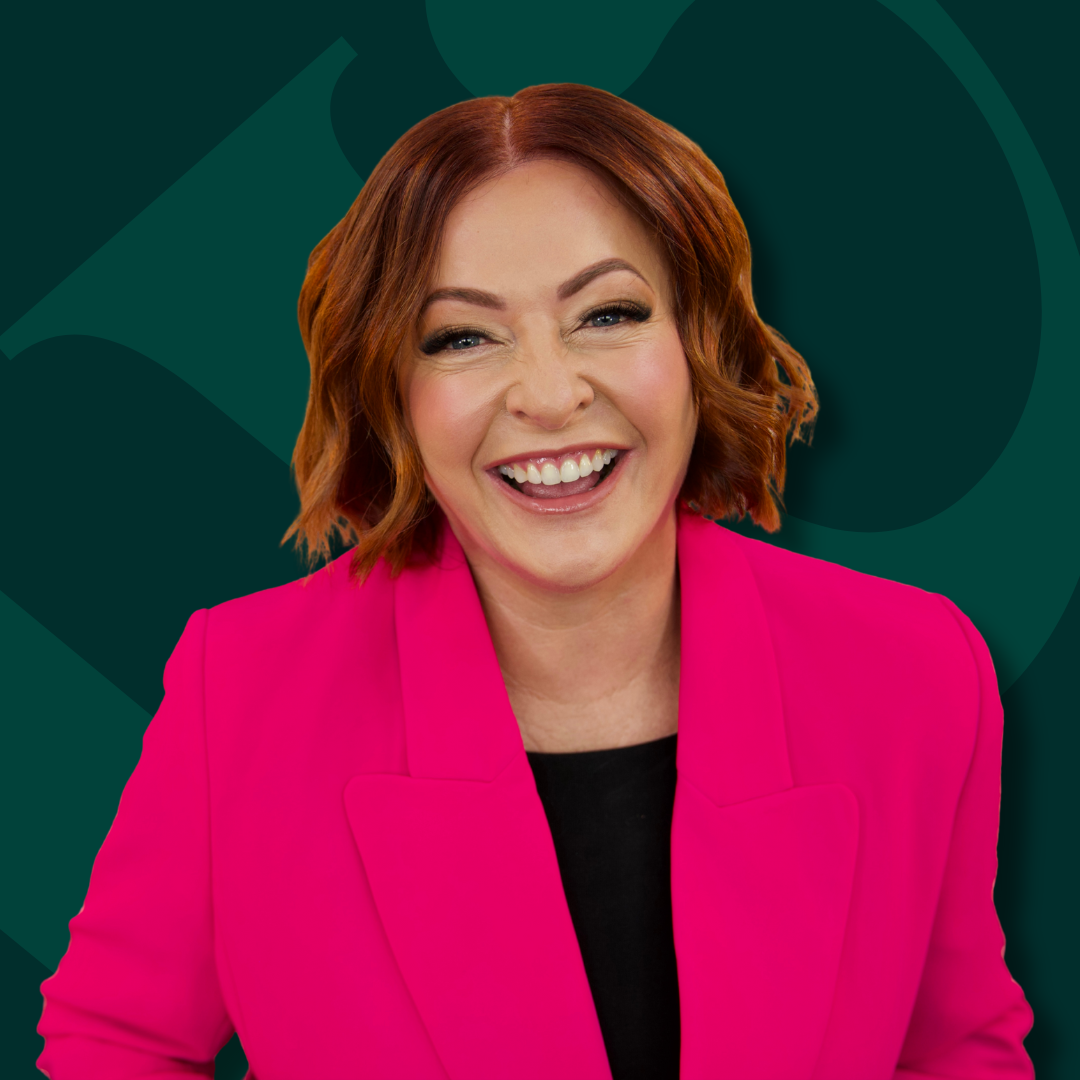
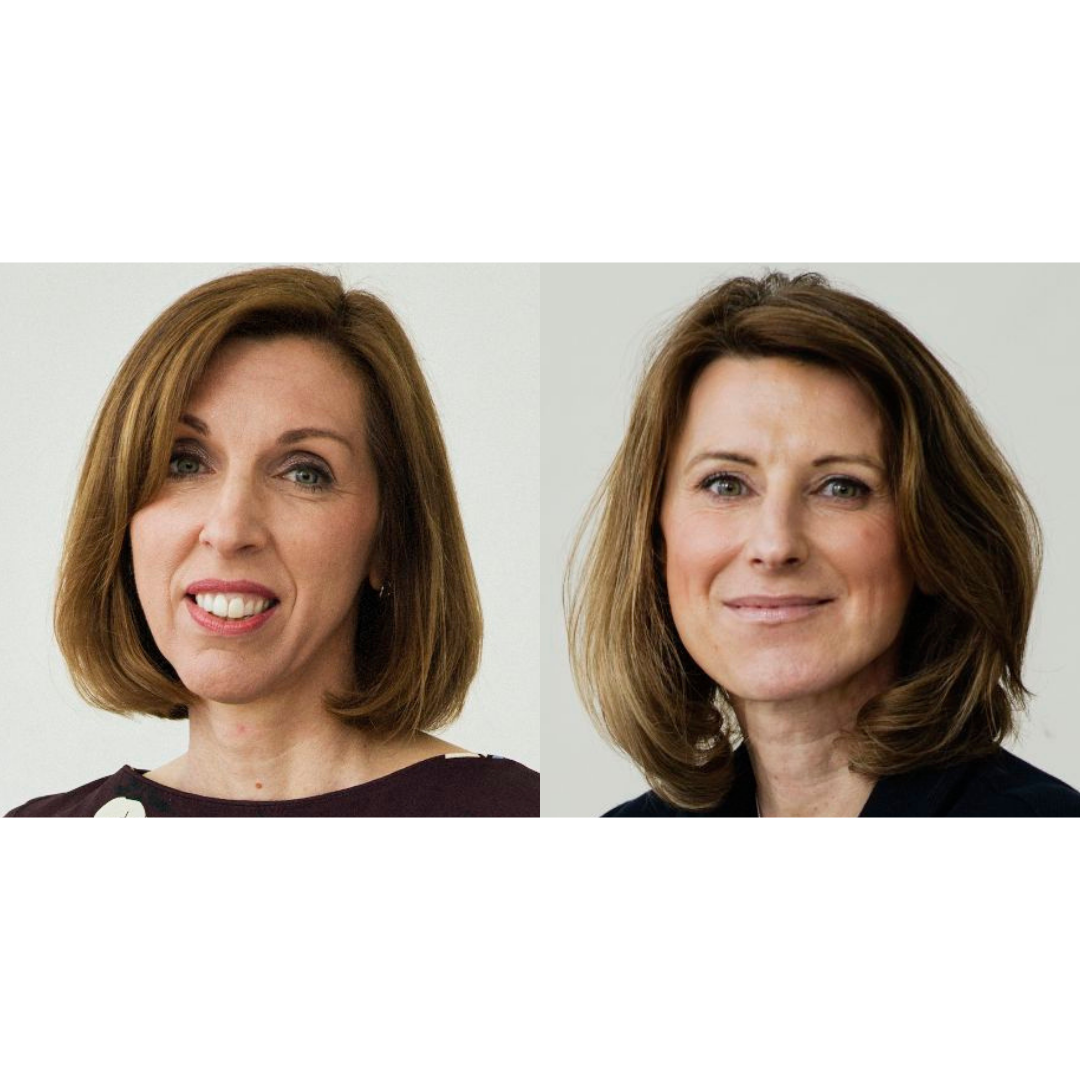
In this episode, Dr Louise Newson is joined by therapist Sara Witter who shares her deeply personal and shocking experience of being menopausal as a child.
Sara describes how she lost most of her ovarian function atjust 10 years old following surgery for large dermoid cysts, and thelong-lasting impact this had on her physical and mental health. Despite yearsof symptoms including extreme fatigue, pain, heavy bleeding, mood changes and postnatal psychosis, the role of hormones was repeatedly overlooked.
This powerful conversation highlights the importance oflistening, thinking beyond textbook definitions and ensuring that women of allages are given the knowledge and treatment they need.
Dr Louise Newson: [00:00:03] So Sara, we have been trying to arrange this podcast for a long time and I fully blame myself for having a busy diary, but I'm really excited for many reasons to have you on my podcast. First, because when we talk about menopause, or actually if you Google menopause, I don't know if any of you listening have done this, it always comes up with a white haired women and they usually got a fan in their hand or they've got their head like on their hands and they're just like oh they're always at work somehow on a desk. And it just looks... yeah can't cope but they're always white you know, and caucasian women but like actually women aren't all, we don't all look the same but the other thing is is if you say to someone menopause right what's the average age of menopause? They'll probably go 50. And when I say oh in some countries especially in South Asia for example, the average age of menopause is about 40 and people are quite shocked with that. But I've always said that no one is too young to be menopausal and people still look a bit confused and I used to say every doctor needs to know about menopause, maybe not paediatricians and then about eight years ago I said no, paediatricians need to know menopause too. So just tell me how old you were when you became menopausal if you don't mind Sara?
Sara Witter: [00:01:30] Ten. So I lost my right ovary at 10, and then I lost the majority of the left ovary at 11 due to dermoid, very large, two very large dermoid cysts, the first one, 22 inches, the second one I think was around 10 inches.
Dr Louise Newson: [00:01:43] So massive cysts. So just for those people that haven't heard of dermoid cysts, they're not cancer at all. And they can grow, as you know, very big. So what, were you getting symptoms or discomfort?
Sara Witter: [00:01:57] Oh, the pain, the pain and that pain will never ever leave me. So it was about a good chunk of a year, so from when I was nine, getting the pain. And my mum would take me back because it would always be after exercise. And it would be, we just couldn't find the full pattern but it was just always after exercise and it would be a lot. It would be every few days. And my mum would take me to the doctor. And in the end, the doctor actually said, look, I think you need to spend a bit more time with your daughter. This might be a case of... he actually took me out the room, but as a hyper-vigilant child, I stood there like...
Dr Louise Newson: [00:02:33] Of course you did.
Sara Witter: [00:02:34] And, uh-huh, and he said, this might be case of crying wolf. And those, you know, those words, I had to have a lot of therapy.
Dr Louise Newson: [00:02:38] So you remember that?
Sara Witter: [00:02:38] Oh yeah, yeah. I had a lot therapy for those words because then that then told me, I'm not feeling this. This is, this is nothing. I have to ignore this. So I remember walking around my house, doubled up, and my mum saying let's play Monopoly. Let's Play Monopoly, me and you. And I'm like, so this was real extreme pain and the cyst burst when we were on holiday. And we're in Lanzarote. I remember, you know, I couldn't go to the toilet. I couldn't walk. And I remember having my eyesight really, really small. Sun cream in my eyes. And I couldn't actually lie on the sofa. So if my body touched, you'll know as a doctor, if my body touched anything, so I would sort of up, so nothing of my body could touch and my mum was saying, must be constipation, there must be. And my dad, it was my dad. He just looked at me and he said, we've got to get her to hospital, she's grey. And I just thank my dad for that because they said at the hospital, there was probably about 12 hours left of life in me. I remember feeling like, just take it away. So yeah, that was extreme. It caused a lot of trauma. We then returned to the same GP and he said, Oh, you know, this is, this doesn't happen unless you're 17 and up. The textbooks say, this is for 17 year olds, 10 year olds don't get them. And I remember thinking, well, they do, because I just had one. And then another one came, apparently they come in twins. They come as a pair. And that, again, it wasn't explained. It wasn't told to me. But within about a year later, same pains, again, on the left side, not the right. Same pains, the same being sick straight away, I knew and I said take me to the hospital, Mum. By this point I had a gynaecologist, I had a consultant who was doing some follow-up and he said, yeah, you've got another one, we're going to scan you and we'll remove it before it bursts. And they removed it and just left. He was a really wonderful, wonderful consultant and he was wonderful. He left, he said to my Mum, I'm going to leave as much of that ovary as I can. So he left a little bit. My symptoms after that were extremely heavy menstruation and painful. Extremely heavy and then was diagnosed with endometriosis and adenomyosis, the really heavy...
Dr Louise Newson: [00:05:00] Adenomyosis, yes. So did they put you on any hormones after removing most of your ovaries?
Sara Witter: [00:05:11] No and I was told, everything will be alright now, you'll be okay now, because this is not going to happen again. I did have another cyst after, but it was just a ovarian cyst, it wasn't the dermoid cyst. And so that was removed when I was, I think about 13. And then I did carry on, I've just had issues ever, ever since. At 19 was tested for my fertility and he put me through for IVF at 19. It passed, it passed medically because it was medical reason for being. But by the time it came through, I was 21 with the waiting list, so I was just grateful to be alive at that point. However, I was experiencing mood swings, sleeping at my desk at school, how I got good GCSEs, just determination.
Dr Louise Newson: [00:05:58] So what were your main symptoms when you were at school then?
Sara Witter: [00:06:02] The extreme fatigue, extreme. I just remember, I couldn't, you know, I was getting told off all the time for sleeping at the desk. You know, no one's looking into this. Why are you sleeping? Just wake up. I remember the feeling as well so different to everyone else, so much older. You know just been through a lot of trauma. I woke up in that operation as well, so there was a lot different things. But I just remembered feeling so different and didn't know why. I just didn't understand.
Dr Louise Newson: [00:06:32] Hmm.
Sara Witter: [00:06:34] The pains, the period was so heavy, which I now know was because my body was going into menopause. Didn't know that then. So I was told, well, you're bleeding. Brilliant. This is brilliant. This is fantastic for you.
Dr Louise Newson: [00:06:45] So people didn't then think, which lots of people do now. If people are having periods, right, then their hormones are normal, which is not true at all. And did you have any physical symptoms? So symptoms such as skin changes or...
Sara Witter: [00:06:59] Pains. Mine was pain and materialised into pain.
Dr Louise Newson: [00:07:03] So pain, whereabouts?
Sara Witter: [00:07:05] All my joints.
Dr Louise Newson: [00:07:06] Okay.
Sara Witter: [00:07:07] Yeah, mainly back. Now it's kind of everywhere. HRT helps with me with that. But then it was back, legs. I really struggled doing, I'd wanted to take dance. I've really struggled with it. I'd just be fatigued. But still just thinking it's me. Something must be wrong with me. It must be me. I must be making this up again, you know. I'd be trying to eat everything that I'd research myself because I did a lot of that, but still never ever knowing it's connected to your hormones because I'm bleeding. And I was bleeding every, sometimes every two weeks as well. [00:07:47][39.5]
Dr Louise Newson: [00:07:48] Ok, so you're at school, surrounded by people who are producing hormones, so you're getting mental health symptoms, but you're blaming it on trauma and things that you've experienced before. You're getting muscle and joint pains, you're getting fatigue. And did you ever see any doctors or did you talk to anyone about your symptoms?
Sara Witter: [00:08:08] I don't think the questions were ever really asked. So that's where I feel like, how do we talk about something if it's not illicited to us, you know. Where would a child know where to follow? So I remember speaking to my consultant gynaecologist a lot. I loved him because in my mind, you know, he saved my life. And I remember telling him I still don't feel great and it was very much dismissed as mental health. So on my record, there is anxiety and depression. Without a doubt, I've had that.
Dr Louise Newson: [00:08:38] Well, of course, but he didn't talk to you about having hormones at all?
Sara Witter: [00:08:43] No, he said PMDD.
Dr Louise Newson: [00:08:45] Okay, which is premenstrual dysphoric disorder. So again, that is related to hormones. And a lot of people have just enough hormones for periods, but not enough for the brain, the body, everything else as well. And when hormone levels dip, which they usually do before a period, then a lot symptoms can really manifest and can be severe in women with PMDD.
Sara Witter: [00:09:08] Yes and they did become severe, really severe. I would remember sitting on my hands because I would feel like I'm gonna hurt myself. So I would sit on my hands with extreme frustration.They did treat me with Zoladex.
Dr Louise Newson: [00:09:26] So Zoladex blocks hormones completely because sometimes people, well, wrongly and rightly think that PMDD is related to changing hormone levels, which indeed it is, but blocking hormones is not always the right thing. So what happened when you, how old were you when you had Zoladex?
Sara Witter: [00:09:45] Cognative memory isn't fantastic. So I'd had the twins. I had the twins when I was 23 through IVF. And another thing as well, just a step aside to that, when I had IVF, I was given a lot of hormones, right, to keep up the pregnancy. And the two hospitals didn't correlate with each other. So, I'm treated at an IVF hospital and then I'm here at my local hospital. I'd have all this, all these hormones fantastically pumped through me to hold up this beautiful twin pregnancy. And then I give birth six weeks early, and then no hormones, no follow-up. So I then had the postnatal psychosis, which I really believe is because you took my hormones here where I probably needed some great amount, probably higher than what I probably needed for me, but I was very, very sick and I believe that's because I had extra estrogen. I don't know if that's right. And then the crash of those hormones, I now feel, I didn't know that and I thought I'm crazy again, you know? This is me.
Dr Louise Newson: [00:10:46] That's very scary.
Sara Witter: [00:10:50] Yeah, So, sorry, I totally sidestepped your question. What did you ask me?
Dr Louise Newson: [00:10:53] No it's not sidestepped, so we were talking about Zoladex but this is very relevant because when people are pregnant they have higher levels of hormones in their body and when you have IVF obviously you're given hormones but usually natural hormones especially progesterone. But what's interesting is that people feel sick, so people with hyperemesis but people with sickness throughout their pregnancy often don't have enough progesterone. So it's very unusual to have too much estrogen because we're... levels of estradiol in our body go up to like 55,000, really high when we're pregnant. And most people feel really great when they're pregnant, but it's not just the estradiol, it's the progesterone. A lot of people don't have enough progestorone. And we were talking a bit about progestrone before we recorded because there's this sort of complete misunderstanding that progesterone is just a little hormone to help the womb and help with periods. Progesterone is the master of all hormones and it forms the other hormones as well. So it forms testosterone, testosterone forms estradiol, but progesterone also forms cortisone and cortisol, which cortisol, as many people know, is our stress hormone, and cortisone is our anti-inflammatory hormone, if you like. So when people have low progesterone, they often have more stress, as in emotional stress in their body. But they also have more inflammation in their body as well. So having progesterone actually helps reduce stress. Got a cat's tail in my screen here. It helps reduce stress, but it also helps reduce inflammation. But you're right, when people have given birth, the levels of all hormones, estradiol, progestorone, and testosterone actually, fall off a cliff and postnatal depression, postnatal psychosis is associated with a hormonal drop. And many people have known for decades that giving back hormones, especially progesterone, can make a massive difference for women with postnatal psychosis and postnatal depression. But I'm going to ask you now, and I probably can guess the answer. Were you given hormones when you had postnatal psychosis?
Sara Witter: [00:12:59] No, I was given anti-anxiety. I begged. I begged for something.
Dr Louise Newson: [00:13:10] So I was talking to a psychiatrist recently about postnatal depression and psychosis and said, why is it that we're not giving hormones? Because it makes sense. We all know that there's a big hormonal shift. And we've known since the 60s and 70s that women respond to natural hormones, yet it's not in the guidelines. And he's now retired, but he said, oh, yes, Louise, I used to run a mother and baby unit. We'd see a lot to these women and we'd literally put them to bed in the mother and baby unit and we'd have to wait. And I said, but wait for what? He said, well, they'd always get better with time, but we'd wait for their periods to return and then they'd be better. I said okay, doesn't that tell you something then? Doesn't that tell you something. But for some women, their periods might never return or it might take a long time for periods to return. So why can't we just supplement these women with natural hormones? Like it doesn't make sense. So, you know, you've been known to have low hormones pretty much your whole life since having those cysts removed, yet somehow the obvious thing is not being given to you.
Sara Witter: [00:14:12] Right. And it was only really seeing you some years ago now on the television you know my mum would ring me quick quick it's all about menopause and early menopose and it was just so exciting, you know and just it was that that made me realise I need to look further into this. I need to speak up I need say this is not you know I've managed, I'm managing my emotions, my moods, I'm doing that, I've had lots of therapy you know the therapist myself, but something's not, something's not right and I know, once I started to attune to myself and, you know, your book, the Balance app, your information, once I've started to really educate myself, that's when I realised, and I would go in armed to the consultant, you now, have a new one now, and I'd say, but I've found this out and they don't always like that, okay. However, I think that's, if I'm not being educated by my health. you know, the health system, my health advisors that I'm going to, then I'm gonna have to educate myself and sometimes educate them.
Dr Louise Newson: [00:15:16] Yeah and that's what's happening a lot actually and I feel really embarrassed to say this and I have shared it publicly before but I wasn't taught about menopause when I was an undergraduate or postgraduate and I wasn't t taught about menopause in younger women. What I was taught that if women don't have their periods just make sure they're not pregnant Louise and then reassure them. That was what I was taught. So as a junior GP I'd see people in their 20s and 30s who were worried they had not had periods, they were low in their mood, they might have had other symptoms. I didn't ask about all the symptoms so I couldn't even tell you how many symptoms they had. But I used to say, well, if you're definitely not pregnant, don't worry about it. And like, why was I not even thinking about the role of hormones? But you know, you don't know what you're not taught. But if someone then said to me, I've got all these symptoms because I've done a symptom questionnaire, and I'm worried that I don't have hormones in my body, which is increasing my risk of osteoporosis and heart disease and other inflammatory conditions. I would like some hormones. But the other thing I sometimes did if women wanted a period is they'll say, oh, I'll just give you the Pill and then you can have a period. Like why? I mean, that's not even natural hormones and the period is just a withdrawal bleed, it's not. So I don't know, were you given the contraceptive pill at all?
Sara Witter: [00:16:30] As you said that then, it triggered my memory. Yeah, about 13, it was my brother actually. My brother moved over to America and I think just being over there, he's seven years older. He was in, he learned a lot. And this had really affected him what happened to me. So he moved at the same time. So when I was 10, he'd moved over there. And his partner had really looked into things for me. And he rang my mum and said, you're going to have to preserve her eggs. That was the main thing. Preserve those eggs for that baby. So I was put on the Pill, but it just didn't agree with me. I would bleed all the time. And I would be told, well, it's the wrong Pill for you then. And then I'd be on another Pill and I'd so angry and real rage and really not feeling good to the point where I just would stop taking it. I didn't feel right.
Dr Louise Newson: [00:17:20] No and so the Pill is obviously synthetic chemical hormones and so it can increase inflammation in the body but also it can block our own hormones working so any little bits of hormones that you had left are often blocked by the effects of the pill and a lot of people don't realise that and it's really important that people do understand that it's not the same and also the contraceptive pill will block testosterone in our body which is also a really important hormone.
Sara Witter: [00:17:50] So, I didn't know that. This is such an education for me.
Dr Louise Newson: [00:17:51] So, you're now using some HRT, it's not been fully optimised and you were saying that it's a struggle to talk to someone about testosterone.
Sara Witter: [00:18:07] Really it is. I'm told, you know, it is not licensed therefore you don't need it, you're on estrogen and progesterone, that's the deal.
Dr Louise Newson: [00:18:14] So isn't it interesting that we know that about half of our testosterone is made in our ovaries. So for you only having a small amount of one ovary left, you're not going to have the same testosterone as other people in their 30s. If I had taken out, I'm not a surgeon, but if I was a surgeon and I took out some of your thyroid gland and left a tiny bit left, there would be no problem about having a thyroid hormone to replace. Like it just makes sense, doesn't it? Or if I took out most of your pancreas. Of course we'd be talking about insulin and the digestive enzymes and how important they are. It feels really controlling by doctors to be saying you can't have a natural hormone in your 30s.
Sara Witter: [00:18:53] Yeah, absolutely.
Dr Louise Newson: [00:18:55] I don't really get it.
Sara Witter: [00:18:57] No and actually the last scan that I had showed that my ovary had been swallowed up. This was the word. It's been swallowed up.
Dr Louise Newson: [00:19:04] That's a nice way of putting it!
Sara Witter: [00:19:04] It's gone into the ether of my body. Um, it's had a cyst over it apparently, and it's gone. We can't locate it now. There is nothing now. Um, so that then says to me, well there's nothing.
Dr Louise Newson: [00:19:18] So it's really important, so you're 37 currently, so it's really important. So about one in 30 women under the age of 40 have an early menopause. Now it used to say, they used to one in a hundred, but now it's one in thirty, basically they don't know, but they know it's very common. So one in 30 of all women under the age of 40 have menopause. Yet most of those women will not have access to hormones and if they do it might not be the right dose and type and certainly probably not testosterone. Yet we know these hormones have really important biological actions in the body and every single cell responds to those hormones. And we've known for decades that women who have an early menopause have an increased risk of diseases if they're not having hormones. Now, our government has just announced recently that women over the age of 40, as part of their health check, will be asked questions about menopause, which half of me is saying, oh, that's good. But the other half of is like, so age 37, if I was your GP, doesn't matter, does it? I mean, I don't know how that makes you feel.
Sara Witter: [00:20:22] It's shocking because, you know, for me, this has been going on for, like you say, for most of my life and over 40, what about the rest of us? What about those that are having early menopause from the age of 10 onwards, from teenage? You know, I have a best friend. We met wonderfully through our IVF children. How wonderful is that? Both of us, when we got chatting, both early menopause, different reasons for her, just unexplained. So this is what people will find a lot. She was 17. They just stopped. Never been explained to her. This is nothing has ever been explained. So what happens to these people? I have people that come into my practice. I have women, beautiful women who have no idea about their hormones. It is not even in their, it's not in their peripheral vision at all. And I'll ask them, you know, how's your cycle? Where is your cycle, where are you with it? Oh no, that's nothing to do with it and I'm informed now, so I'm always going to have that lens of, okay, well, let's just be mindful of a cycle, any cycle, no cycle, you know, where are you?
Dr Louise Newson: [00:21:26] Yeah, absolutely.
Sara Witter: [00:21:28] How is it impacting? How is informing? So the thought that it's just for over 40.
Dr Louise Newson: [00:21:32] Yeah, I mean, I, I feel really sad for women that are missing out all the time. And my work is about trying to reach all women and with technology, like you say, with Balance app, I can reach all woman if I get it right. So a few years ago, I was part of an NHS national menopause group, which has since sadly disbanded. But I said to them at one of the first meetings, you're talking a lot about women over the age of 50 and talking about menopause 51, average age in the UK. I said, in my mind, if I was allocating resources, I would focus on women under the age of 40 because these women have more health risks of not having the right treatment. They're more suffering. Even if you look at economy, they're going to put more drain on the NHS and healthcare resources, but they're also going to be less likely to work because we know if you've got symptoms you're less likely to work and main symptoms are anxiety, fatigue and memory problems. So younger people are less likely to have that earning potential, if you see what I mean. And they said, oh, but it's not common enough. And I said, but hang on, one in 30 is far more common than most other conditions that we have guidelines on, we're prioritising. So that doesn't really make sense. But I'm always seen as a pain for a lot of these meetings, because I'm quite outspoken. And the focus has always been on symptoms, not health risks. And the two go hand in hand often. But even if people don't have symptoms, we know that there are these health risks as well. So I'm with you there. I feel like it's not, we shouldn't be just thinking about menopause, but also if we think just about menopause, we're not thinking about perimenopause around the time when people still have periods. We're also not thinking about women with PMDD, which often have more severe symptoms. So that doesn't make sense either, really in my mind.
Sara Witter: [00:23:28] No, it's really bracketed it. And I think of it like a spider, you know, you have that early menopause or perimenopause wherever we are and then the legs off that, you know, the connective tissue disease, which I have, the PM, you know, all the different aspects, the obesity, you know, I gained lots and lots of weight, which I know now is that my hormones were so out of balance, I didn't really have any. I gained a lot of weight. I had a lot pain when I wasn't taking the hormones. So much pain, mood, you know, so it's like, it's all these legs that come off. We're not just treating one thing, it is everything that comes off that, that we can really help.
Dr Louise Newson: [00:24:10] Absolutely. My concern is if we focus too much on periods, we're forgetting the person behind that womb. And, you know, I'm sure you'll agree, we as a woman, we are more than just whether we have periods or not. You know, they're an inconvenience, don't get me wrong. But actually, this is where we have to think about hormones throughout ourselves, our organs, our tissues, our bodies as well. But for me, the most important thing is about choice. You know, having a choice about which path you're taking, what you're taking, the medication you're taking, any benefits and risks is really, really crucial. And because people have got so confused in the past about hormones and what they are, it's ironic, isn't it? You were given the contraceptive pill, which contains, as I've already said, synthetic chemicals. If you look at the dose equivalent, the dose of ethinylestradiol, which is the synthetic estrogen in contraception is 300 times higher than estradiol, which is what we prescribe in HRT. So even if you need a higher dose of your transdermal estradiol gel, it's never going to reach the levels of ethinylestradiol, but it's also never going block the receptors. It's never going to have detrimental effects and risks of cancer and stroke and heart disease. They're only small risks, but they're associated with synthetic hormones. So it's sort of like, we live in a parallel world and I can't quite understand it. Yeah, there's double standards really out there.
Sara Witter: [00:25:38] And I remember feeling a pain, you know, you mentioned it before, you know, You feel that as you're, you're speaking out, you are the voice now. I mean, I see you as a voice for this, you know, a hormone voice. And please speak louder, please be that pain in the room, please, because we need, we need you for that. But I really felt like I was a pain every time I went back to the consultant, not that, not the first one, the second, the first one was absolutely wonderful. And sadly got poorly when I was pregnant with the twins. And I really believe that things would have been very different for me if he hadn't, it's just unfortunate. But the next one, great consultant made me feel like a pain, like a pest. You know, you're back, these not helped, have they not? This, what do you want to try now? I want you to help me, I really need to feel better. I'm young and at this point, I'm 25. Yeah, maybe even younger because I'd just had the twins and it was constant bleeding. I remember being on holiday and I rang the secretary from holiday because I just decided like I'm speaking up for me and that's it. The 10 year old in me is like, speak. And I rang and I said, I'm on holiday, the first holiday with my children, so they would have been one. I said I'm bleeding and I've been bleeding for 12 weeks. I need this to stop. And I think that was why, where the zoladex came from because then, you know, it's almost like you'd like, shut up. Let's go away and stop. And they did give me a patch, an estrogen patch. I think it was just estrogen. I don't think I had a progesterone patch. It was just an estrogen patch to have during the zoladex months. But that then put me further into the menopause because I know it was already there, but it did. It threw me right into it. And now I know what I needed was just...
Dr Louise Newson: [00:27:29] Just your natural hormones. It's very simplistic. It really is, but it can make a huge difference to people. So I'm very grateful, Sara, for you to be so open about your story. And I really hope this has educated people, maybe shocked and surprised them that someone as early as 10 can have menopause, because people at school can have menopausal symptoms. It's not common, but its not rare. So we need to be aware, we need to be talking about it more and thinking about it more for everybody. So before I end, just three quick take-home tips. So three things that if you think that either you yourself, young, struggling with symptoms, or you've got someone you know, it might be a child, it might a relative, it might just be someone that you know. What three things do you think we should be doing to help people who are young with early menopause?
Sara Witter: [00:28:16] I think asking the right questions, listening. Don't just assume, don't just go off the text book, really listen. Really think out the box, think out of the box. Think what could be, don't think what has been before, think what might be. I was told 17-year-olds have these and I was 10. So think, speak. I'm really big for a voice for the woman but also the man. Dads, brothers, husbands, know about hormones. Let's get everybody educated on the body, not just what they do for, you know, they wanted to preserve my eggs so I could have children. What about my brain health, my heart health, my bone health, most everything, my mental health? Let's really educate everyone about it. It's school education, sex education. It's so much more than this, than what they learn. You know, I asked my daughter, what do they tell you about hormones? We have a period. What do you mean? Let's educate, speak up, you know, learn, everything.
Dr Louise Newson: [00:29:18] Really good. So the most important thing is to educate so we can help and also help others too. And this conversation will really have helped people already. So I'm very grateful for you coming on today and thank you so much for sharing it. Thank you.
Sara Witter: [00:29:32] Thank you.