

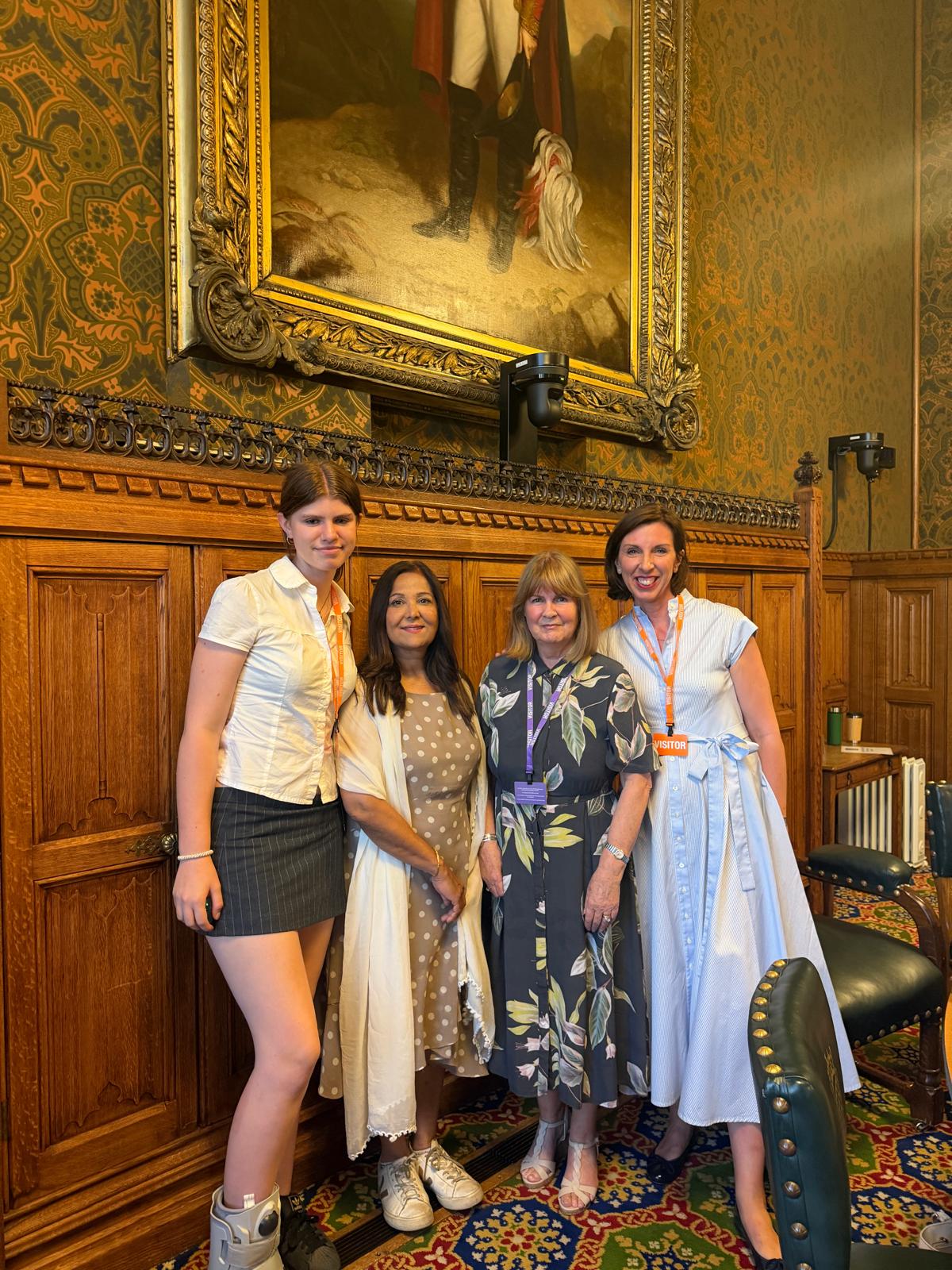
Earlier this week, I went to the Houses of Parliament speaking in support of families whose lives have been shaped by one of the most devastating synthetic hormone scandals in British history: Primodos.
The scandal centres on a pregnancy test given to women in the UK and other countries between 1958 and 1978, which contained synthetic hormones that are still prescribed to women today for contraception, endometriosis and heavy bleeding.
Doctors loved the oral tablet test: cheap, easy, quick and reliable – yet the drug had never been tested in pregnant women before rollout.
From the late 1960s, doctors, researchers and families began to highlight concerns that the test could increase the risk of miscarriage and led to serious birth defects, including cleft lips, spinal deformities, lip abnormalities, heart defects and spina bifida.
Incredibly, despite these warnings, the test continued to be used for millions of women until it was eventually withdrawn in 1978.
Unanswered questions
Decades on, many of the questions affected families have surrounding the test remain unanswered.
Primodos contained synthetic ethinylestradiol and norethisterone, which are still prescribed for heavy periods, endometriosis and for contraception, to millions of women. These are synthetic ‘hormones’ that actually block hormones working in the body, have effects in the DNA of cells which affects the way the body functions. and this DNA is also passed on to future generations.
There is such little research on the effects of these synthetic ‘hormones’ in women’s bodies and brains, yet millions of women are prescribed them, thinking they are hormones but they are not.
During the session of the All-Party Parliamentary Group on Primodos (APPG), I talked MPs through the crucial differences between natural and synthetic hormone treatments.
Marie Lyon, chairwoman of the Association for Children Damaged by Hormone Pregnancy Tests says: 'Louise shines a light on the truth about synthetic hormones and presents this truth in an understandable and straightforward manner and in a way which captures the interest of both women and men who were unaware that they are not synthetic hormones, but chemicals sold as hormones.
'This simple truth is rejected by pharmaceutical companies and successive Governments who continue to deny Primodos was responsible for the unimaginable injuries suffered by our families. They need to listen to Dr Newson.'
Learning lessons
While it may be more than 60 years on from Primodos first coming onto the market, it’s a story that should never be forgotten, and the group need an apology.
Key lessons we can learn from the scandal include more transparency around the regulation of medicines, the importance of knowing about the difference between synthetic and natural hormone treatments, and why women must be listened to.
We cannot change what happened, but we can learn from it. Women deserve transparency, honesty and evidence that is interpreted with courage as well as scientific rigour. Above all, they deserve a healthcare system that puts patients before politics or commercial motivations.
There needs to be an independent review of all synthetic ‘hormones’ and the harms they are causing to both physical and mental health. Clinicians and women need to be educated more about their risks.
If you’d like to learn more about the Primodos, you can listen to a recent episode of the Dr Louise Newson podcast here with Professor Neil Vargesson, Professor of Developmental Biology at the University of Aberdeen, whose research into Primodos has helped shine a light on one of the most shameful scandals in modern medicine.