Menu

My Mission
Articles
Podcast
Events
Workplace Education
Clinician Education
Newson Clinics
Hormones Unlocked
Books
Research
Media
Contact

Balance App
Track symptoms, get insights and feel more in control.


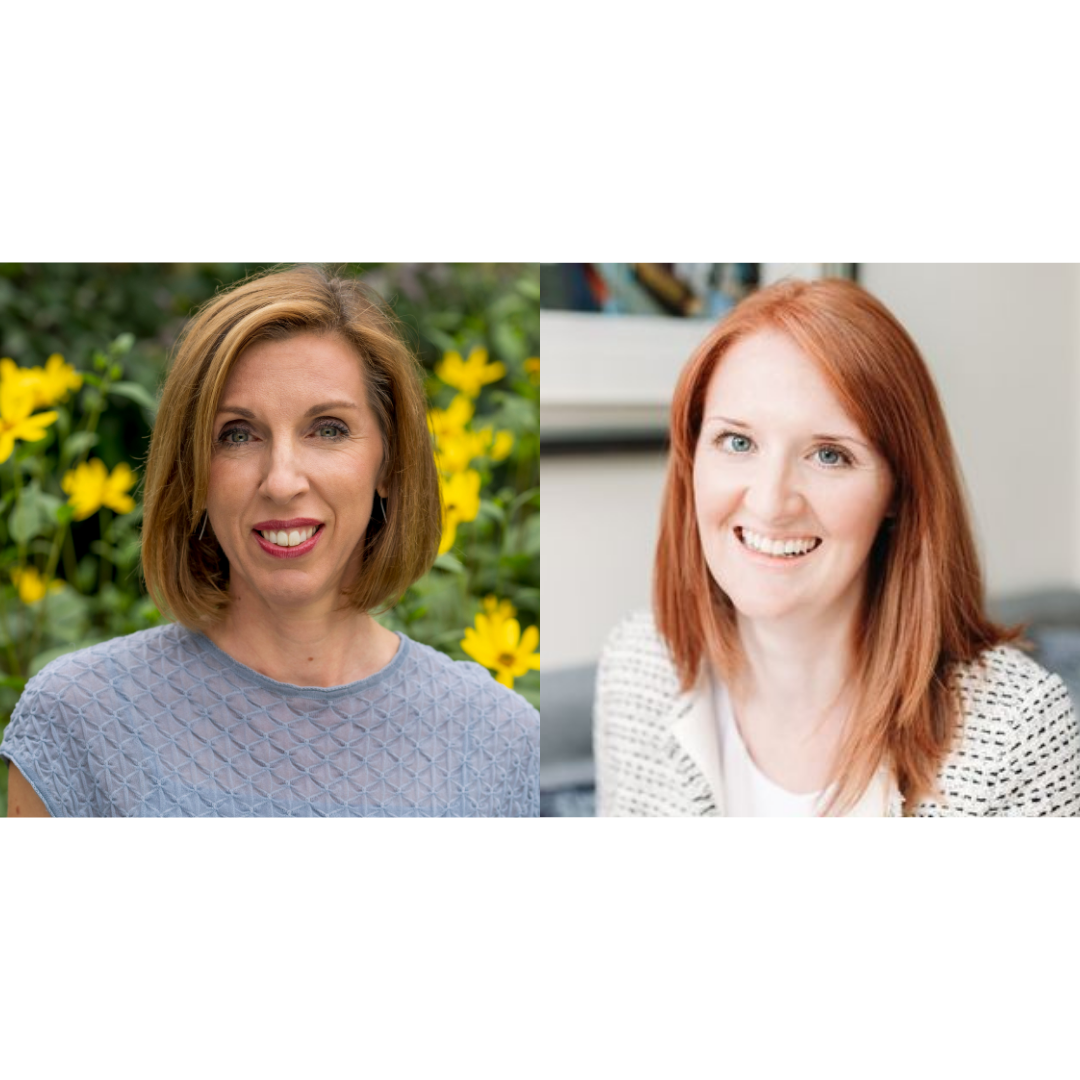
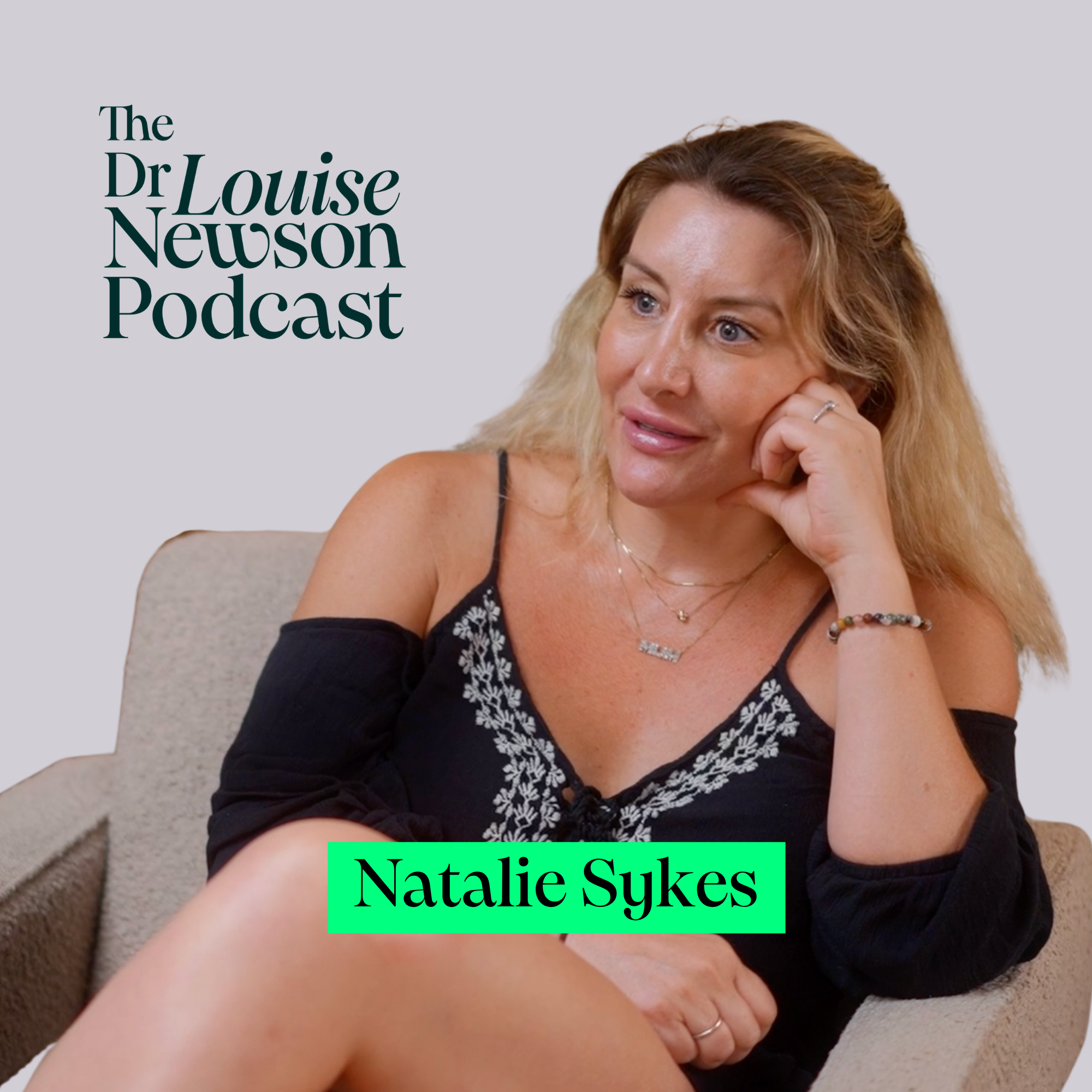
This week, Dr Louise Newson is joined by GP and lifestyle medicine physician Dr Clare Nieland to explore how nutrition, movement, sleep, stress management and social connection work alongside hormones to improve women’s health.
Together they discuss why lifestyle medicine is grounded in evidence rather than wellness trends, why preventing disease should be just as important as treating it and how small, sustainable lifestyle changes can reduce inflammation, improve symptoms and lower the risk of future disease. They also explain why hormones are often the missing piece that enable women to make positive lifestyle changes in the first place.
Women are often told to choose between hormone treatment or lifestyle changes, when in reality the two work best together.
Louise and Clare discuss:
Why hormones and lifestyle medicine should work together, not be seen as alternatives
The six pillars of lifestyle medicine and how they support women’s health
Why reducing inflammation is key to preventing chronic disease
How nutrition, strength training and sleep become even more important during menopause
Why personalised care is more effective than a one-size-fits-all approach
This episode is an empowering conversation about taking control of your health, understanding how hormones and lifestyle work together, and discovering the small changes that can make a meaningful difference to both your quality of life and your long-term health.
LET'S CONNECT
👉 Subscribe on YouTube
👉 TikTok
https://www.tiktok.com/@drlouisenewson?utm_source=DLNpodcast+&utm_medium=shownotes&utm_campaign=BAU+
👉 Spotify
LEARN MORE
👉 Download my balance app
https://balance-app.com/?utm_source=DLNpodcast+&utm_medium=shownotes&utm_campaign=BAU+
👉 Order my new book
https://bio.to/ThePowerofHormones?utm_source=DLNpodcast+&utm_medium=shownotes&utm_campaign=BAU+
👉 Speak to Newson Clinic
👉 Visit my website
https://www.drlouisenewson.co.uk/?utm_source=DLNpodcast+&utm_medium=shownotes&utm_campaign=BAU+
Dr Louise Newson: [01:00:00] Today on the podcast I've got Dr Clare Nieland who is a GP and specialises in lifestyle medicine. Something that we should all be doing. We talk a lot about how to prevent diseases. Thinking about our lifestyle, how we move, what we eat, our mental health, how we sleep, all of that feeds in obviously with balancing hormones too. So it's a great conversation and I hope you'll come away wanting to improve your lifestyle from it. So Claire, it's great that you're here. You are, like me, a GP, a lifestyle guru, and it's really confusing out there because there's lots of wellness, lots of lifestyle, longevity, healthspan, lifespan. Some of it, dare I say, is really commercial. And in my mind, a lot of it is common sense, but I've learned a lot just through my own personal journey, but also just being older, wiser. But a lot of lifestyle, nutrition, even exercise, we didn't get taught at medical school. And I don't think they still do now, do they? [01:01:04][64.6]
Dr Clare Nieland: [01:01:05] Well, it's becoming slightly more common. So some universities are teaching lifestyle medicine, some medical schools are, which is great, but I mean, I think for me, if I think back eight to 10 years, I was sort of introducing lifestyle medicine to my patients without really knowing what it was. I didn't really know that it was a specialty in its own right. And it wasn't until I went to a conference and I discovered the British society of Lifestyle Medicine that I discovered it's actually a subspecialty in its own right and I joined BSLM and I've never looked back because I think I was at the point where what I was doing with my patients as a conventionally trained medic wasn't really working. You know, we're taught to treat the end disease and actually we don't really look upstream to what's causing that. And that's really where lifestyle medicine for me offers such hope to patients because we can really tackle the sort of underlying factors that are causing that end disease. And I'm not sure whether your listeners will know what lifestyle medicine is. Shall I just give a little explanation? [01:02:10][65.2]
Dr Louise Newson: [01:02:09] Absolutely, just say because it does mean different things, and even to different doctors I think it means different things. [01:02:15][5.8]
Dr Clare Nieland: [01:02:15] Yeah, absolutely. So lifestyle medicine is, it's a rapidly growing specialty. You can now do postgraduate qualifications in it, which I have. It's based on three fundamental principles. So the first principle is a knowledge and understanding of the wider determinants of health. And by that, I mean things like environmental factors. So do you have access to green space to get out in nature? Do you have access to good whole foods? Are you in employment, for example? And then it's the six pillars, which I'll come back to in a sec. And then it's the, the thing that I think is the magic here is a knowledge and understanding of behaviour change. So how we really work with patients on an individual basis to help nudge them closer to better lifestyle choices. So those six pillars which is what lifestyle medicine is based on are physical activity, nutrition, sleep, stress management, avoidance of unhealthy substances. And the one that often gets forgotten about, social connection, which is a great factor in longevity. [01:03:17][62.7]
Dr Louise Newson: [01:03:18] Yeah, and the seventh one, it's got to be hormones. [01:03:20][1.9]
Dr Clare Nieland: [01:03:20] I know I've heard you say that before and I do think you're absolutely right because actually if we don't think about it, I think we're missing a trick. [01:03:27][7.2]
Dr Louise Newson: [01:03:27] So many of my patients, and me as well, find it impossible to do any of those six pillars if our hormones aren't balanced. And I think people have been so scared of what hormones are. But even it's very obvious when you talk about it, but it's not obvious. And I think a lot of people who haven't had training in lifestyle medicine, they almost if I start talking about it, that's my whole 10-minute consultation gone. Whereas even as a GP, I used to just say to people, do you do any exercise? And it's like a yes or no answer. And then I'd find they'd come back to me and go, do you know what? I felt so embarrassed that question you asked me. I've now started to go for a walk or go for run. And I thought, and I just thought ages ago, wow, I don't have to be taking a full history of how many minutes or what exercise. And I don't know what you think? [01:04:16][48.8]
Dr Clare Nieland: [01:04:15] We absolutely don't have to because sometimes it's just asking the right question at the right time and getting people to think about it. And actually in NHS primary care now we've got lots of allied healthcare professionals that can pick that conversation up. So for example, we've got health coaches, we've got social prescribers, you know, got clinical pharmacists. So if we just ask the right question the right time and you're right, we don't Have to spend the whole 10 minutes talking about it, but it just gets people thinking and it opens the door to that conversation. And the more I think about it, the more I think there have been so many missed opportunities over time, both in my own consultations and those of my colleagues. And I almost think we're doing a disservice if we don't mention it, because we know, you know, lifestyle medicine is an evidence-based approach to prevent, treat, and reverse chronic disease. And I almost feel like if we're not even thinking about it then we're certainly not practising good medicine. Because it's a basis of good health. You know, it's the fundamentals. And I think coming back to hormones, you know, yes, women may need a little bit of hormonal support to start on that journey to better health. But if we're not having those conversations about lifestyle medicine, then maybe a woman will get so far with hormones, but then she feels like she's reached the end of the road and absolutely not. We need to help in all those six pillars. [01:05:37][82.2]
Dr Louise Newson: [01:05:38] Yeah, absolutely. And in my mind, it's the foundation of everything, regardless of what else is going on. And like you said at the start, it is about preventing disease. You know, every healthcare system in whichever country you look at is having a crisis because there is too many chronic diseases as in chronic long term, but they're related to inflammation. The source of everything is inflammation. And if we can reduce that, and we know that lifestyle measures will reduce inflammation, so therefore reduce diseases. [01:06:06][28.5]
Dr Clare Nieland: [01:06:07] Yeah, absolutely. Inflammaging or meta-inflammation or whatever you want to call it. If we can use our lifestyle measures to reduce inflammation, we're reducing our risk of long-term chronic lifestyle-related diseases. Living with perimenopause and menopause, we are going through more than just hormonal changes. We're seeing cardiovascular risk rise, Alzheimer's risk rise. Other diseases like type two diabetes, because our blood sugar control, you know, becomes slightly difficult to manage. So we're seeing a rise in other lifestyle related diseases at this time. And therefore it's a brilliant opportunity to open those conversations and let's not forget, you, know, a lot of this starts in our 30s and our 40s. It's not all about what we're doing... [01:06:55][48.1]
Dr Louise Newson: [01:06:55] No, it's good to be done really early, you know, even thinking about other times of hormonal change. So women with PMDD, premenstrual dysphoric disorder, they have a real decline of hormones in the second half of their cycle. A study came out last year showing those people have an increased incidence of inflammatory diseases, again, associated to the anti-inflammatory properties of our hormones. But I feel strongly and I'm sure you do as well as a doctor that I should be setting an example for my patients. I feel like there's no point me talking about exercise and never doing it or telling people that they shouldn't smoke and then smoking. I don't smoke by the way, but you know, but I feel it's not ingrained in us enough. I mean, we do have to be some sort of role model for our patients. Do you think? [01:07:42][46.9]
Dr Clare Nieland: [01:07:43] Yes and no. I think you can still be a good doctor. [01:07:45][2.2]
Dr Louise Newson: [01:07:46] I'm not saying it's you're good doctor, but I feel that we have some responsibility to help ourselves as well as educate others. [01:07:53][6.5]
Dr Clare Nieland: [01:07:52] Yes, because I think the other thing is lived experience. If you know how good exercise feels, you're more likely to recommend it to your patients. If you know, how good your body feels when you've had a whole real food meal, nutrient dense meal, you, know, no ultra processed food, and you're not having that mid afternoon slump, you're more likely, to recommend to your patient. So I think you've got, you've absolutely, absolutely got a point. And I do, I, you know, I walk the walk as well as talk the talk. But that's because for me, I need to turn up being the best version of myself that I can be. And I know the only way that I could do that is to prioritise my sleep, to eat well, to make sure I'm managing my stress, you know, all these things that we base lifestyle medicine on. I mean, I think just to come back to something you mentioned earlier about spending the whole 10 minutes talking about lifestyle medicine, sometimes I wonder what would the NHS look like if we have much more of a focus on lifestyle. And, you know, hopefully this is coming as we sort of look at the 10-year plan, but there's by no means enough focus on prevention. But lifestyle medicine, we can reverse and we can treat chronic disease. So you've only got to look at work of David Unwin, who you know and you very kindly spoke at our conference the other week. But David Unwin, who's working with the Public Health Collaboration, uses lifestyle to help reverse type 2 diabetes. And I've been that in my practice and he's been a great mentor to me. And it's amazing to see the difference that makes. And when you can de-prescribe medication as a doctor, it feels great. [01:09:28][95.6]
Dr Louise Newson: [01:09:29] It's amazing, but actually, you know, listening to him talk, saying about how doctors have paid to prescribe, you know, with part of the QOF, the quality outcome frameworks, then disincentivises doctors to do lifestyle. It's so easy to just prescribe something. If someone's got diabetes or raised blood pressure or raised cholesterol, then it is, and I used to, I was, I've never been a partner, so my salary was the same regardless of what I did. And I used to really frustrate my partners because I would be not rushing to prescribe and thinking about lifestyle and giving it time. But I was very lucky because I knew my patients really well and I knew the ones that were more likely to engage with lifestyle than others. And some of them, you could almost have a bit of a joke and shame them into it when they saw their blood pressure going up with the amount of alcohol they were drinking and the number of fags that they were smoking. And you could sort of call them out, but it was a very, I was very privileged because I worked in the same practice for 20 years so I really knew the patients like now I think it's hard if you don't have a relationship with a patient it could really undermine that whole confidence in your doctor if you're trying to call them out because it's it's difficult a lot of people these are addictive substances. [01:10:40][71.8]
Dr Clare Nieland: [01:10:41] Yeah, very much so. So many threads I could pick up on that. I mean, a couple of things. Look, I'm senior partner in my practice. I've been there 17 years and I practise lifestyle medicine. So it is very much not about the QOF points in our practice. And I had, you know, my doctors are all on board with this. It is about the person in front of us. It's about trying to help them to be healthier, be fitter, be strong, fit, resilient and not rely on medication. And I think you've used the word shame there. And I think that's a really important point because what we try and do is empower our patients, help them understand maybe what those changes are that's going to lead to better health and then use behaviour change. And obesity is a really good example. As doctors, we've been afraid to talk about obesity with our patients because of fat shaming, because there's some implication that it's their fault. And if If you can remove that blame and just talk open and honestly, you know, you've only got to walk around the supermarket and see what the food landscape looks like. It's very hard to buy healthy food. And I think if we can remove that sort of, you know, that, that shame that goes along with obesity, we can then start having really meaningful conversations. But the bigger picture is the food landscape and, you know, big food and big pharma and the people who make the policies. And I don't want it to become a political conversation, but I think there are bigger conversations about that. [01:12:10][88.9]
Dr Louise Newson: [01:12:10] I think, you know, there is, pharma has changed the landscape a lot over the last 50 years really, hugely. When you look at the, I'm very interested in the history of medicine and you work out what goes wrong or what happens and you do see what's, what's happened. And it's like you said, at the beginning, we're taught to treat disease as doctors, not to prevent it. Whereas if we prevent, we don't want to wait for that heart attack or wait for the stroke or for diabetes. We should be intervening a lot earlier to avoid the medication, avoid the disease. But I feel, you know, a lot of my work is just empowering people with knowledge. And that's where this conversation is so important because everybody listening to this needs to be thinking, right, am I really the best version of myself? We can't just be leaning on our doctors and waiting to prescribe something. I think, you, know, maybe because I'm getting older, I don't know, but I'm much more about, you know, I have to take responsibility for my health. And partly lots of people know I have migraine. And if I eat badly, if I have a lie in, if I go to bed too late, I'll get migraine, it's sort of, it's good and a bad thing having migraine because it rules my life. And I don't know what it'd be like if I didn't because I probably would slip up. I probably wouldn't bother doing yoga and I wouldn't meditate and I wouldn't do all those things, but I have do. But I do feel we have to as patients have responsibility. [01:13:39][88.9]
Dr Clare Nieland: [01:13:40] Yes, I agree. I mean, I think just focusing on the migraine side of things, you can now frame that in a really positive light, that actually the benefit, if you can use that word of having migraines, is that you meditate, you do yoga, you avoid alcohol, you eat healthy food. So frame it in a very positive light. But I think for patients, for individuals, look, being healthy suddenly feels really hard. I'm mean, you've only got to go on social media and see what people are putting on there. It's that, you know, do this and you'll feel 10 years younger. You know, please, it's not about social media and lifestyle medicine keeps things really simple. And I think being healthy, it absolutely can be simple. You've just got to navigate your way through the rubbish that's out there. And I that's where the British Society of Lifestyle Medicine comes in, training clinicians on the evidence base around lifestyle medicine so that it's not just, you know, sticking a finger up in the wind and guessing, it's using the evidence to support our patients. And I think from a patient's perspective, having that knowledge and understanding, look, if any of your listeners think to themselves today, gosh, you know I'd actually learn, like to learn a little bit more about this. What is it in my lifestyle that could impact my health moving forward? Then brilliant, go and do some research, research, go and see your doctor and have that conversation. Because we know in menopause, well, actually, over the age of 40, our muscle bulk is decreasing. We're at risk of sarcopenia, our bones are thinning, we're at risk of osteoporosis, our risk of cardiovascular disease, etc goes up as we've already said. So yes, that's where the hormones come in, but it's also about where the strength training comes in and the protein comes in, and, you know, managing our stress and our cortisol levels, and you know, there's so much more to it and it doesn't have to be difficult. [01:15:31][110.9]
Dr Louise Newson: [01:15:35] The real art of medicine is personalising care. It's really interesting and important that we look at the science, but I'm very interested in how we personalise medicine and that includes lifestyle because, you know, you can't tell everybody to eat the same because they all have different metabolic responses to the same food or to exercise or whatever. So, And that's really important and somehow I think in medicine, the personalisation has has almost been lost a bit, it's all quite guideline driven, it is quite formulaic and that seems a shame doesn't it? [01:16:09][33.9]
Dr Clare Nieland: [01:16:09] Well, yes. And that's where lifestyle medicine really shines because it is about personalised care. It's about the person in front of you. So it's about meeting that person where they're at. Look, if they can barely get up out of a chair, there's no point in me telling them to start lifting weights. You know, actually for them, maybe just going for a gentle walk is the first step to them doing some physical activity. So like you said, it comes back to knowing the person in front you and really being interested in them. You know, what is it that they might like to do? How would their life look better? And then using the health coaching techniques to help them nudge them around that cycle of change. So I think there's a lot that can be done with the person in front of you, not using, I mean, look, what are guidelines? Guidelines are just that. They are not tram lines. They're guidelines that give us a bit of a framework around which we can build a really rich and nuanced conversation with our patients. And I think... You know, I'm a GP trainer and I'm passionate about training and they're really useful for younger GPs, you know who are perhaps a little bit less experienced, but I think as you get older and wiser, you know, with age comes experience and wisdom. And I am very happy to use the guidelines as just that, as guidelines and have a really nuanced conversation with my patient in front of me. And if that means maybe stepping outside the guidelines, if I'm safe, that's fine. And the thing about lifestyle medicine is I am not going to do any harm with lifestyle medicine, you know, and one of our overarching ethical principles is non-maleficence, isn't it? Do no harm? I'm not going to do harm with lifestyle. And I see so much benefit from it. [01:17:52][103.1]
Dr Louise Newson: [01:17:53] Yeah, absolutely. And I do think this whole de-prescribing is really important, you know, if you look at the Maudsley de-prescribing guidance for gabapentin and pregabalin, highly addictive drugs, like they are being prescribed so much. When they came in and they were given a lot for depression and mood stabilising, I never got into that because I couldn't understand how they worked. And now we're trying to, whole books written about de-prescribing, but there's very little about lifestyle and very little about hormones as well. The two things that really improve mental health. And so we de-prescribe a lot and it's like you say, it's really rewarding, but it's not just the mental health drugs, blood pressure drugs, diabetes drugs, painkillers. You know, in my mind, lifestyle and hormones go so closely together. I'm sure they're the similar drugs that you're de-prescribing as well. [01:18:52][58.9]
Dr Clare Nieland: [01:18:52] Yeah, absolutely. One of the other things that we do in lifestyle meds is something called group consultations where we bring together people who have the same chronic disease and it's often things like type 2 diabetes or obesity or menopause is another really good one because I mean they get social connection but patients get the opportunity to share what's worked for them and share tips and advice and then as a clinician I will go in and do their one-to-one consultations and but, but when I can stop prescribing something, it's been the patient loves it. I love it. I've saved the drug budget a bit of money. You know, it, it's really, it just feels great. [01:19:30][37.4]
Dr Louise Newson: [01:19:30] It's very powerful and it's almost counterintuitive because we're taught so much, this is a disease, this is the guideline, this the treatment, whereas we're sort of doing things differently, but actually to de-prescribe when you don't have an alternative to offer can be really hard. You know, I think back and shudder when I was a GP 15, 20 years ago, and it would always be the middle-aged women that were addicted to the benzodiazepines and that no-one wanted to prescribe for them. And these were women who then, they'd started in middle age, they were 60, 70, and they were really struggling without them. So I would be the person that saw them, spent lots of time with them, try and reduce the amount as much as possible. But I never once thought about hormones. I feel really bad because I know now, once you give hormones, then they start to exercise, they're sleeping better. They know themselves, they don't need those medications. So it's really easy, I was trying to explain to a psychiatrist recently how much easier it is to de-prescribe when you've given them something else instead. [01:20:35][64.8]
Dr Clare Nieland: [01:20:37] Absolutely. And I think that's where lifestyle comes in as well, because actually what it does is it shows people that there's a different way. It doesn't have to be all about medication and showing them a different way that can achieve the same, if not better outcomes. You know, we all know that if you, if you eat ultra processed food and your body's inflamed, your risk of mental health, mental health problems is going to increase. So actually, how can we get you to exercise a little bit more? What are those small steps that we need to take to make you do that? And once people find that out for themselves, it's very empowering. [01:21:15][37.9]
Dr Louise Newson: [01:21:16] So just on ultra processed foods, there might be people that don't know what that means. So can you, it is so important. [01:21:22][5.7]
Dr Clare Nieland: [01:21:22] Yes, it really is. I mean, look, you can use the standard NOVA classification, but for me, keep it simple. If you're buying something and it's got more than five ingredients on the packet, put it back. Essentially don't really buy anything out of a packet unless you really have to. And look, I totally get that people are living on a budget and not everybody has the means to buy expensive wholefoods. But you can still avoid ultra processed foods and eat well on a budget. And actually where I work in Maidenhead, our primary care network has done a piece of work with our community, teaching people how to cook from scratch on a budget because you very easily can. But I think we've, we've sort of lost that kind of basic understanding somewhere along the line. And we are led to believe that to eat, eat within a budget, you have to eat rubbish. Or get the two for ones or, you know, and actually you really don't. So I think there's something there about teaching children how to cook in schools, making sure that our children our next generation are educated around what real food looks like. And then, you know, teaching people how to cook well on a budget using real food. Because it's the, it's, it, it it's. The ultra processed foods that's driving a lot of inflammation. It's driving our obesity epidemic. It's drive. Type 2 diabetes, fatty liver disease, you know, all the problems we've already spoken about. [01:22:51][88.3]
Dr Louise Newson: [01:22:51] Because they cause a lot of inflammation, don't they, in the body, and they're highly addictive as well. [01:22:56][5.3]
Dr Clare Nieland: [01:22:57] It's that sweet spot of fat and sugar that the very clever food processing companies, you know, know that they make us, they're hyper palatable and they don't fill us up. So one conversation I often have with my, in our menopause consultations is about the importance of protein and using protein and fat. Fat is our friend. You know, good sources of fat are really important. And we shouldn't be afraid of fat in our diet. And you know, the importance of getting enough protein so that we are feeling full and we can go and lift some weights if that's what we choose to do. You know, and actually it helps us sleep better and sleep's the other thing. You know sleep's our superpower. And for women who are going through perimenopause and menopause, and they're awake at three in the morning, it's exhausting. It's absolutely exhausting. So what can we use from a sleep hygiene perspective that's going to help? Yes, hormones absolutely transform women's sleep, but what can we do from a sleep hygiene point of view that means if they are still waking at three in the morning, what measures can we put in place that mean they're not reaching for their phone and they're getting that dopamine hit? So that's where lifestyle medicine comes in as well. [01:24:11][73.4]
Dr Louise Newson: [01:24:12] You're right people learn from each other they learn good things but they also learn bad habits as well and it is throughout generations you can see that people are getting lazier that they're not learning to cook and you know but it's really hard in some areas to even buy fruit and veg you know if that's what makes it so difficult. [01:24:30][18.8]
Dr Clare Nieland: [01:24:31] Yeah, it's called a food desert. And I mean, you know, you've only got to look up and down some of the streets in London where we are today and really appreciate how difficult it is for people to get their hands on good whole food. [01:24:44][12.5]
Dr Louise Newson: [01:24:44] Yeah. But it is about investing in the future. But I think also, unless you try changing your lifestyle, you don't know how much better you feel because it's really easy to think this is as good as I get. And I do worry sometimes about GLP-1s, how people think that's just a quick fix, but I know obviously they do reduce some inflammation in the body, but you still need the nutrients. [01:25:10][25.4]
Dr Clare Nieland: [01:25:10] Absolutely. I mean I bang on about this all the time because I find obesity medicine really fascinating and I've worked in that field and the landscape of the GLP-1s is changing very rapidly. We've got many more drugs not only available now but coming to fruition so there will be more drugs available. And what we do in my clinic is we make a deal with the patient that actually if we're going to start a GLP- 1, which probably is the right thing for some of my patients to have. Then they work really closely with our health coaches on the nutrition and the physical activity. Because all that happens otherwise is you go from being an unhealthy person living with obesity to an unhealthy person who's a bit slimmer. Because what we really want to see is the metabolic changes. It's not just about the weight and moving people away from just the weight on the scale. And you know, that's why I measure things. I quite like data. You know, that's why I'll measure lipids and HbA1c. And in my private clinic, both at the Windsor Wellness Clinic and Hooke in London, where I work, we will measure markers of inflammation so that we can see the needle move. And that's not possible on the NHS within our budgets, but some of the simple tests like lipids, like Hba1c, like CRP, we can measure those and we can the needle moves, but it is about getting those lifestyle factors in place so that you still become, you're becoming healthier. Not just slimmer. [01:26:37][86.7]
Dr Louise Newson: [01:26:38] And that's a problem. I think people are so fixated on how they look and forget that muscle is metabolically active, bone is metabolically active. So that's where making sure that we're moving and exercising all the nutrients that we need, all those vitamins. If you're not eating, you can't get them from anywhere else. [01:26:56][18.0]
Dr Clare Nieland: [01:26:56] No, absolutely. And we do see problems with the GLP-1s. You know, we've seen some deficiencies in nutrients that have caused real problems. But the other thing about that is the rise of the skinny culture. And I think that is a really dangerous way to go. And so I'm very much about promoting strong, fit, resilient women, not skinny women, because skinny is as unhealthy as obese. And so actually we need to be promoting what fit and healthy looks like. And that's where the role of sport comes in for young women, you know, getting young women into sport, because it's about understanding how you need to fuel your body rather than, you know how you look. [01:27:36][40.9]
Dr Louise Newson: [01:27:38] That is so important and I think that's where people are looking more into weights as opposed to doing high intensity workouts which can be really beneficial for anybody of any age as well and trying something new. My middle daughter's really into Pilates, she's travelling at the minute so she sent me a video of her this morning doing a Pilates class in Indonesia just to make me really jealous. But she does reformer, she really enjoys it and it's great because she had sepsis of her pelvis a few years ago and it really stopped her exercising. So she's had to find something that works for her, but now it does. It's great to see her really enjoy and want to build her body in a very positive way. I think to find the right exercise and you must see it in your patients as well. It's not always the first exercise. So people that say I hate exercise is often they hate that type that they've tried. [01:28:33][55.1]
Dr Clare Nieland: [01:28:35] I think, I mean, I frame it, I use the word physical activity because I think exercise traditionally can make people think, oh, no, I don't want to do that, get a bit sweaty and work hard. Physical activity or daily movement. Absolutely. You know, just so ten minutes walking around the block at a brisk pace after eating will help with your blood sugar control. It doesn't have to be any more difficult than that. I mean yes, it should be, we should be lifting weights three times a week. Maybe a bit of cardiovascular exercise in there, and maybe a little bit of HIIT training. But it doesn't have to be that, just because that's what I do doesn't mean to say that that's everyone has to do. It's finding something that works for you and that you enjoy. And if you can do it with other people, then you've got that social connection as well, then even better. And exercise will help us make better health choices with our food, it'll help us sleep, and it releases our happy hormones, you know? We feel better, we get that dopamine hit. And the other thing we haven't touched on at all, which may be out of the scope of today's talk, but is the gut microbiome and the importance of our, you know, of having good healthy gut bacteria to help with the hormones and our kind of state of mind as well and reduce inflammation. There's lots of other things. [01:29:50][75.5]
Dr Louise Newson: [01:29:51] But they improve when we exercise as well, which a lot of people don't realise they think it's all about taking probiotics or eating the right food, but actually moving helps them as well doesn't it? [01:30:01][10.2]
Dr Clare Nieland: [01:30:01] Yeah, absolutely. And you don't have to take a probiotic. I mean, I do think the food landscape's changing and I do wonder about the quality of our food these days. But if you're eating a diverse range of 30 plants a week, and that includes herbs and spices, it hasn't got, yeah, absolutely. It doesn't have be 30 types of vegetables. There are ways to get that into your diet. Then you'll get, and I say to my patients, look, just eat the rainbow every day. You know, it's let's keep things simple because it goes back to being health seeming so difficult again, and it not needing to. [01:30:39][38.7]
Dr Louise Newson: [01:30:40] No, I think making it as simple as possible makes it achievable as well and I think that's really important, isn't it? [01:30:46][6.1]
Dr Clare Nieland: [01:30:46] Yeah, absolutely. And I think, you know, I would love to see lifestyle medicine become mainstream. You know, we are still working towards that. We're doing a lot of education for clinicians. I think patient empowerment is really important. I'd love to see the NHS have, you know, when somebody joins a practice, let's give them a lifestyle medicine questionnaire to fill out as opposed to just, have you got heart disease, Alzheimer's, dementia, type 2 diabetes, which is what it is at the moment. Actually, how much are you moving? What's your alcohol intake like? Are you smoking? Do you sleep well? [01:31:19][32.3]
Dr Louise Newson: [01:31:19] Yeah, we need to be thinking differently to keep healthy and prevent disease. So I'm really grateful you're coming today. So three take home tips. People might be sitting there thinking it's all very well. They're really healthy. They've done it. What can you do if you're just overwhelmed and you want to improve your lifestyle? [01:31:37][17.5]
Dr Clare Nieland: [01:31:38] So the first thing I think I would say is make wellbeing, your own self care at the top of the list. Because for women, particularly those of us who are, you know, in midlife, we're a caregiver, we're working, we're trying to be all things to everybody. If you don't look after yourself, you can't look everyone else. Look after everyone else, so move yourself from the bottom of the pack to the top of the back. And that self care might just be five minutes of deep breathing before you go to bed at night. It might be a little walk around the block to get some natural light exposure and some vitamin D. It doesn't have to be the big things that we've spoken about today. So put your self-care at the top of the list because if you don't put your health as number one, nobody else will, and then it suffers. I think the second thing is, have a think about what is one change that you could make today, one really simple change that you can introduce into your life and maybe it is, let's try and cut out ultra-processed food, let's introduce more protein. Maybe it is, yes, I'm gonna pick up some weights, but just one change, but make it sustainable. Make it so that it can become a habit that sticks because they're the things that will last and will serve us well. And I think the third thing would be, look, get involved. I mean, have a look at the British Society of Lifestyle Medicine website, see what it can offer if you're a clinician and you're interested, see what we do at BSLM. If you're not and you are a patient or you know, if you are just a normal human being who is interested in lifestyle medicine, a lot of resources on the website. So get involved and know what you can do for yourself and then put that into action. [01:33:25][107.4]
Dr Louise Newson: [01:33:26] Fantastic, thank you so much and thank you for coming. [01:33:29][2.4]
Dr Clare Nieland: [01:33:29] Oh, absolutely pleasure, thank you for having me, it's been great fun. Thank you. [01:33:32][2.6]
Dr Louise Newson: [01:33:35] So just a quick one, it would be really great if you could follow or subscribe to this podcast. This will really help me reach more people with evidence-based information about hormones and their future health, and also means you never miss a future episode. Thank you. [01:33:35]